Quilt Appraisers
Why should you have your quilt appraised? And what is an appraisal, anyway?
A quilt appraisal is a written statement of value prepared by a qualified professional after a close examination of your textile. Appraisals are used for insurance coverage, estate planning, tax donations, and potential sale — and the type of appraisal you need will determine how value is calculated.
In most cases, an appraisal cannot be done from a photograph. The appraiser must examine the actual quilt and will consider factors such as:
- The purpose of the appraisal
- The current market in the geographic area
- Overall appearance and condition, including any repairs or restoration
- Construction technique, workmanship, pattern, and embellishments
- Provenance, including publications, awards, and the reputation of the maker, if known
- In the case of art quilts or wearables, the textile’s visual and artistic qualities
Sentimental value is never a factor in a professional appraisal.
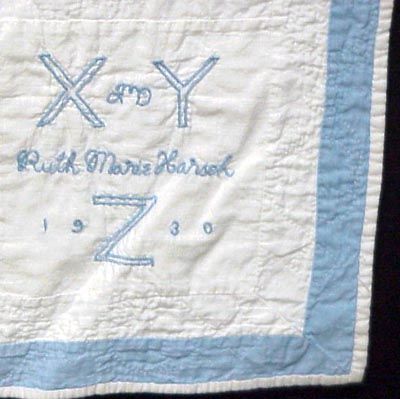
Types of Quilt Appraisals
Fair Market Appraisal
A fair market appraisal estimates what a willing buyer would pay a willing seller when both parties are familiar with the relevant facts and neither is under pressure to complete the transaction. This is the appropriate appraisal for someone considering selling a quilt.
It is important to remember that a fair market appraisal is an opinion based on the individual appraiser’s knowledge and background and will reflect both the current market and the geographic area in which the textile is to be sold. It does not take into account the replacement cost or sentimental value of the quilt. It is not a guarantee of the selling price!
An Insurance Replacement Quilt Appraisal
An Insurance Replacement Appraisal is based upon how much it would cost to replace a textile with a similar one. You will hear this called ‘like and kind’. This may mean finding a similar textile on the open market, or it may include the cost of having the textile reproduced with like materials and workmanship. Either way, insurance appraisals typically result in a higher value than a fair market appraisal.
Many insurance companies require a written appraisal before accepting textiles as scheduled property on a personal policy. Without one, you may only be reimbursed for the cost of materials or a generic replacement, not the actual value of your quilt. This type of appraisal is also necessary to file a claim if your quilt is lost or damaged. This means an insurance appraisal might find a similar textile on the open market and take that value as its replacement value. Or, an insurance value may include the amount needed to have the textile reproduced with like materials and workmanship. Either way, an insurance appraisal value is likely to be more than a fair market appraisal. You will need this kind of appraisal to file a claim should your quilt become lost or damaged.
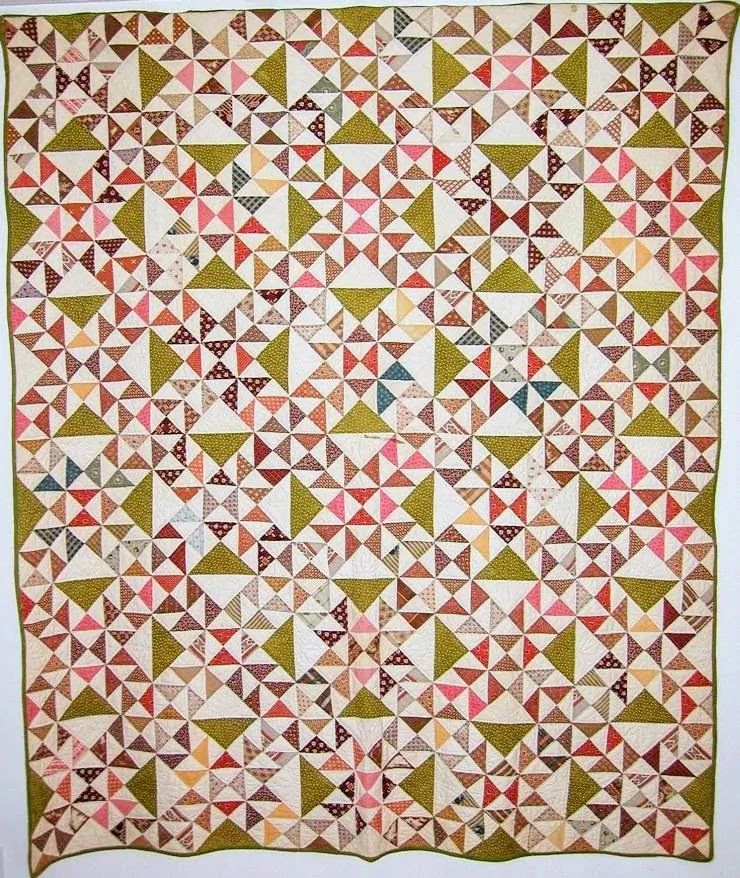
A Tax Donation Quilt Appraisal
This appraisal is for someone who wants to donate a piece or to establish a value for a family for an equitable distribution of assets. This is often the same as a fair market appraisal. It is illegal and unethical for an appraiser to inflate the value of a textile for a tax deduction. If you plan to donate a quilt and claim a tax deduction, or need to establish a value for equitable distribution of an estate, you will need a tax donation appraisal.
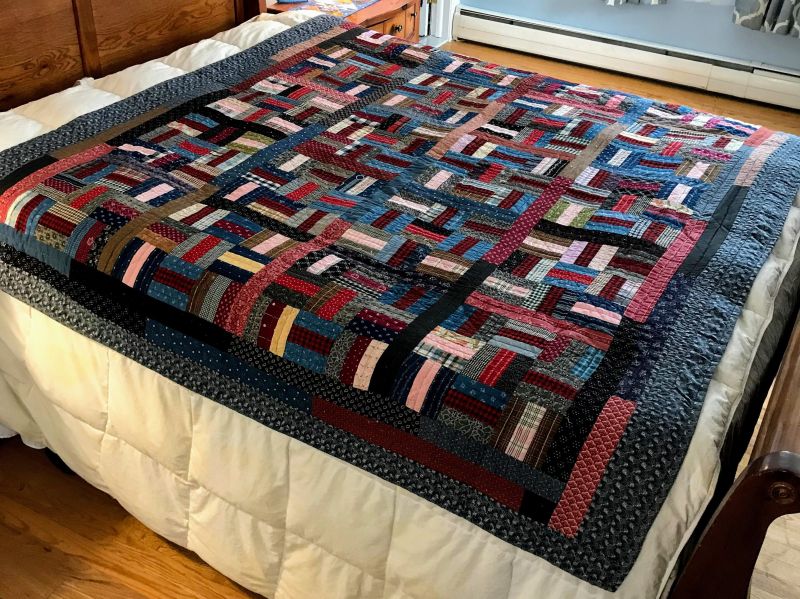
What is in a Quilt Appraisal?
An appraisal is a formal document that contains detailed information about the textile, the owner and the appraiser. At the minimum, it should contain:
- The name and address of the owner
- The name and/or pattern name of the textile
- Photos of the textile and any special characteristics (such as a label or awards);
- A physical description, including size, condition, materials used, construction technique, and workmanship
- The story of the quilt. This may be physical (receipts and so on) or simply family lore. It doesn’t necessarily affect the dollar value, but it may affect the emotional value.
- Information about the maker and their location, if known.
- The purpose of the appraisal and the value given
- The signature and qualifications of the appraiser
Choosing an Appraiser
Select an appraiser who is familiar with your type of textile and with the market in which it would normally be sold. An ethical appraiser will tell you if a piece falls outside their area of expertise or does not warrant a formal appraisal. It is considered unethical for an appraiser to charge a fee based on a percentage of the appraised value; standard practice is a flat fee.
While it may seem obvious that a textile dealer is a good choice if you intend to sell the textile, this will incur a conflict of interest. Since the value of a textile will fluctuate with market changes, it is a good idea to repeat an appraisal every five years.
The following organizations can help you locate a qualified appraiser:
