Arch Quilts: What they are and how to spot them
If you spent time in country-style homes during the late 1980s and early 1990s, chances are you saw an Arch quilt. You just may not have known it. They were part of an imported quilt trend aimed at the resale market that took advantage of the country decorating culture of the day. They are now showing up in resale markets as antique American quilts, either by mistake or by deliberate fraud.
Who or What Was Arch Quilts
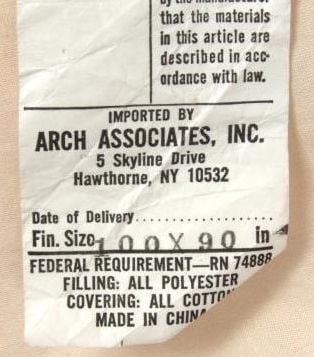
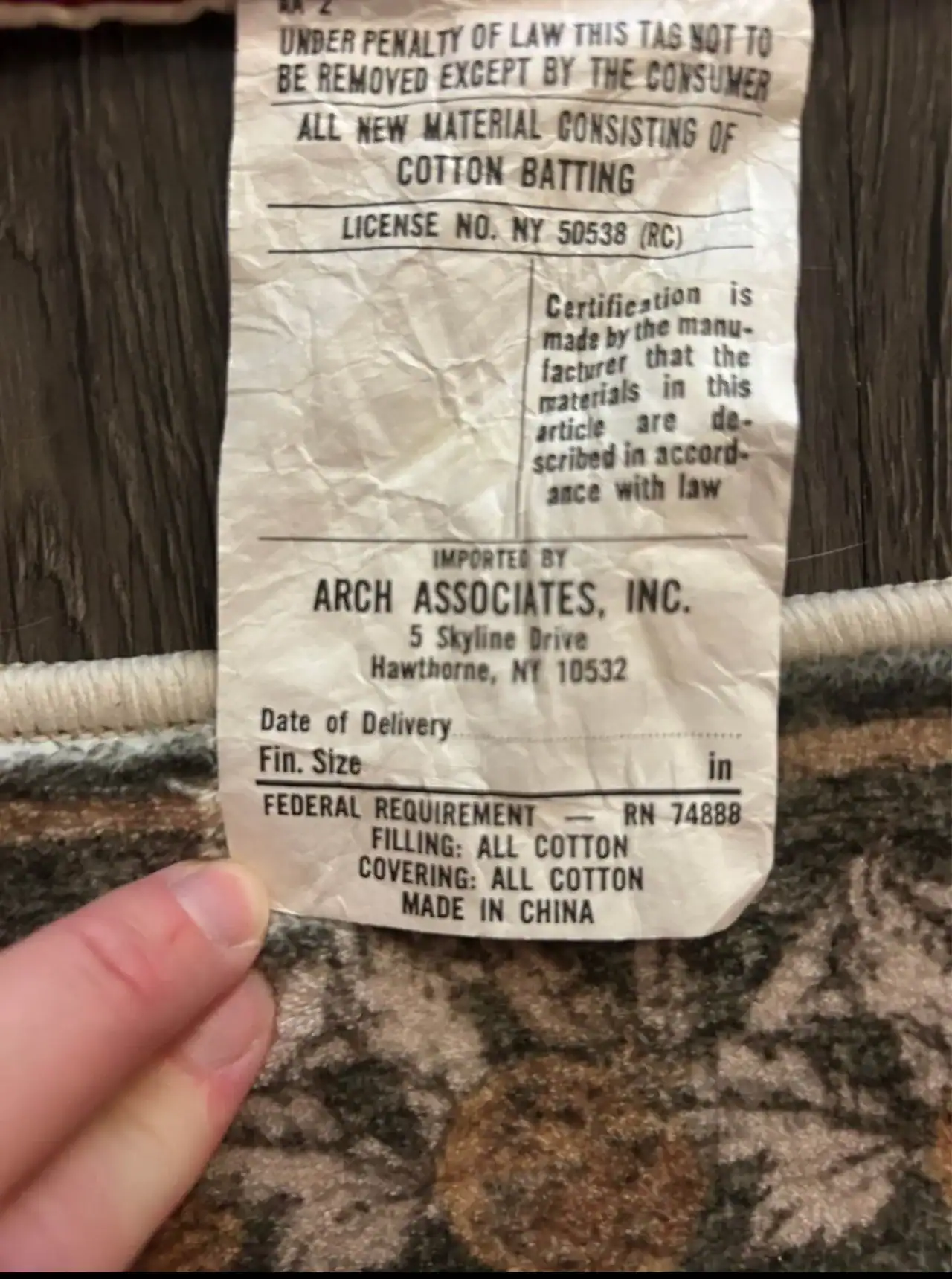
Arch quilts were imported by Arch Associates, Inc., a company based first in Elmsford, NY and later in Hawthorne, NY. Founded around 1987 by K.C. Foung, the company imported quilts manufactured in China using polyester batting and sold them through department stores, gift shops, catalogs, and home decor retailers. In 1993 the company registered the “Arch Home Collection” trademark; that trademark was canceled around 2001.
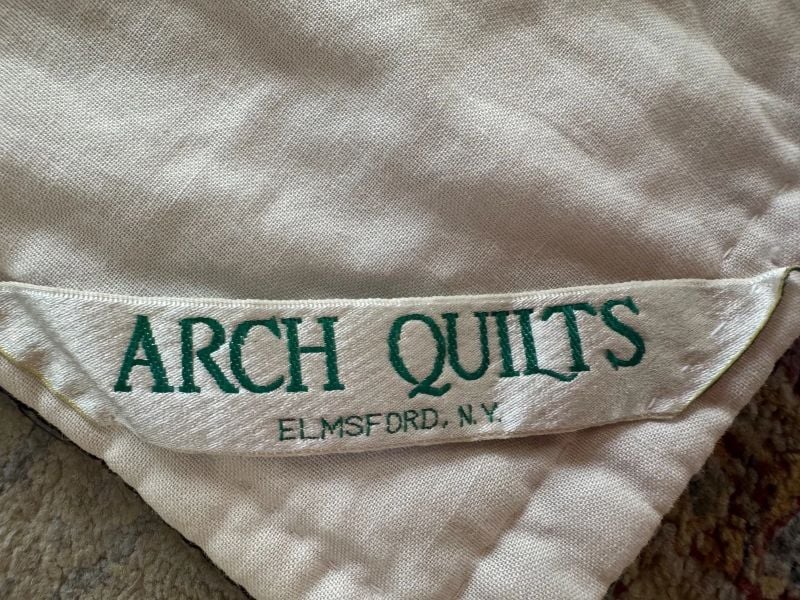
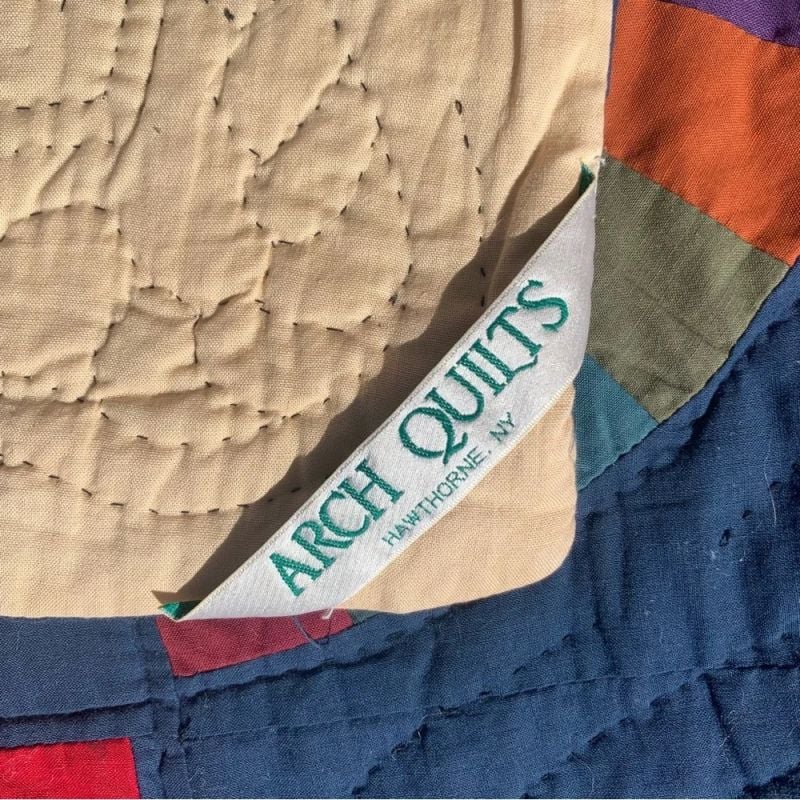
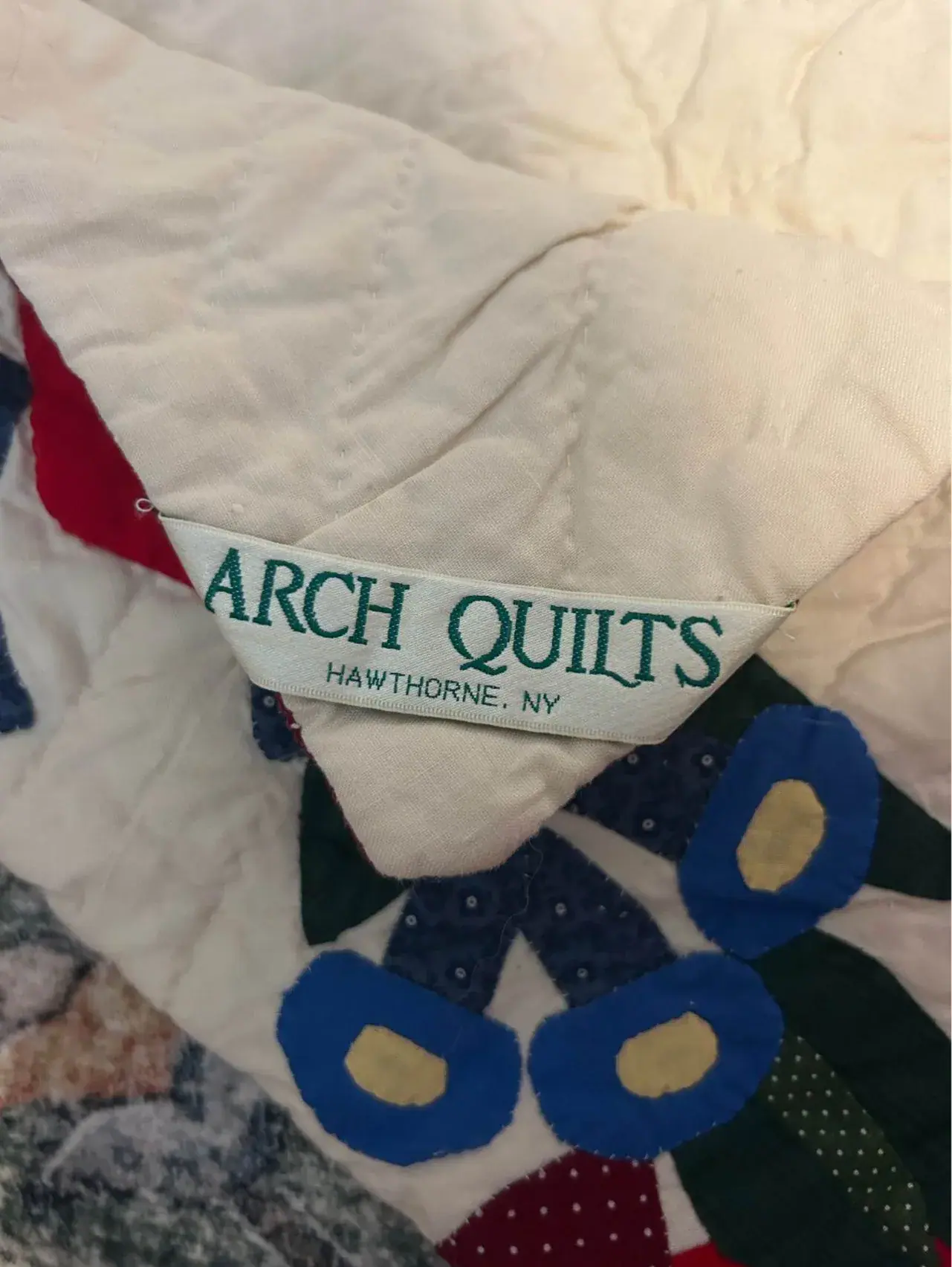
The quilts were sold under the name “Arch Quilts” or as part of the “Arch Home Collection” and carried a bumblebee trademark. Labels read “Arch Quilts Elmsford NY” or “Arch Quilts Hawthorne NY,” and a “Made in China” tag was standard. They were often sold with matching shams or coordinating accessories, making them an easy one-stop purchase for the home decorator.
The Country Decor Craze
To understand Arch quilts, you have to understand the world they were born into. From the late 1980s through the mid-1990s, country decorating was not a style, it was a way of life. Magazines like Country Living fueled a Colonial revival aesthetic built around pine furniture, braided rugs, and an appetite for anything that looked like it came from a simpler time. Ducks and geese were everywhere, along with baskets, calico prints, and the soft romantic palettes of Laura Ashley and the “Americana” look Ralph Lauren had made aspirational.
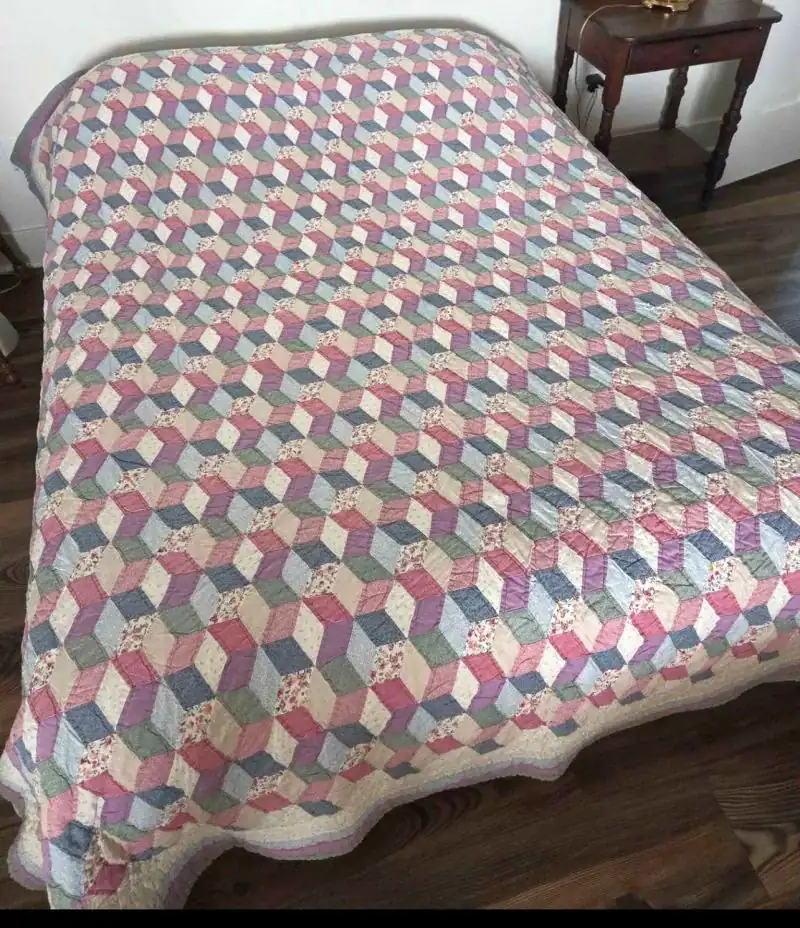
Arch quilts slipped perfectly into this world. They were decorative bed coverings designed for appearance over heirloom craftsmanship, priced for middle-class homeowners, and styled to look like the kind of thing a quilter grandmother might have made. Early colorways leaned into dusty pink, gray-blue, mauve, and sage green. Later offerings shifted toward burgundy, hunter green, navy, deep cream, sherbet florals, and yellow accents as the palette of the decade evolved. They were affordable, they were attractive, and they were instant Americana, delivered in a department store bag.
Common Arch Quilt Patterns
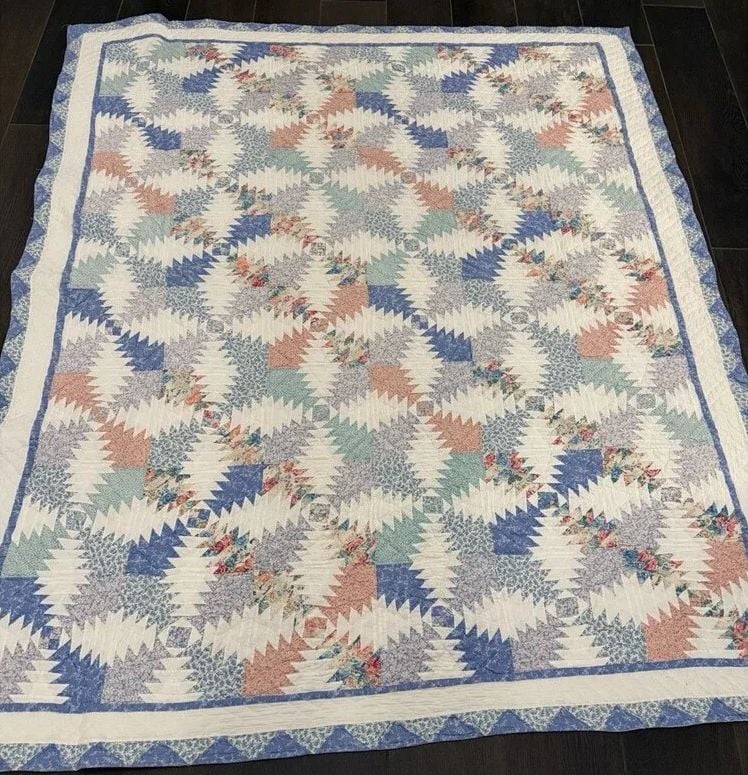
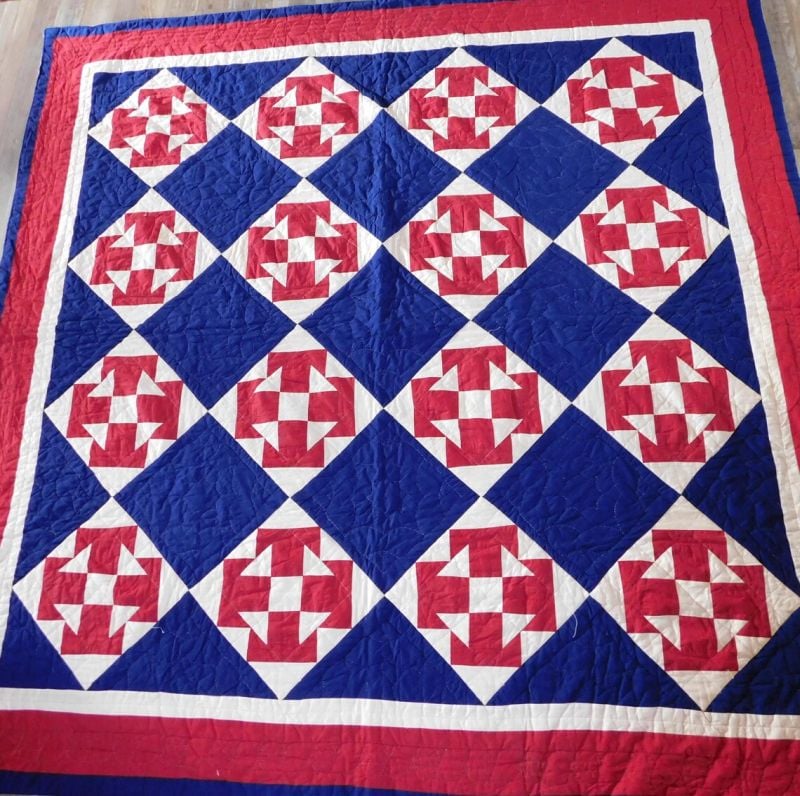
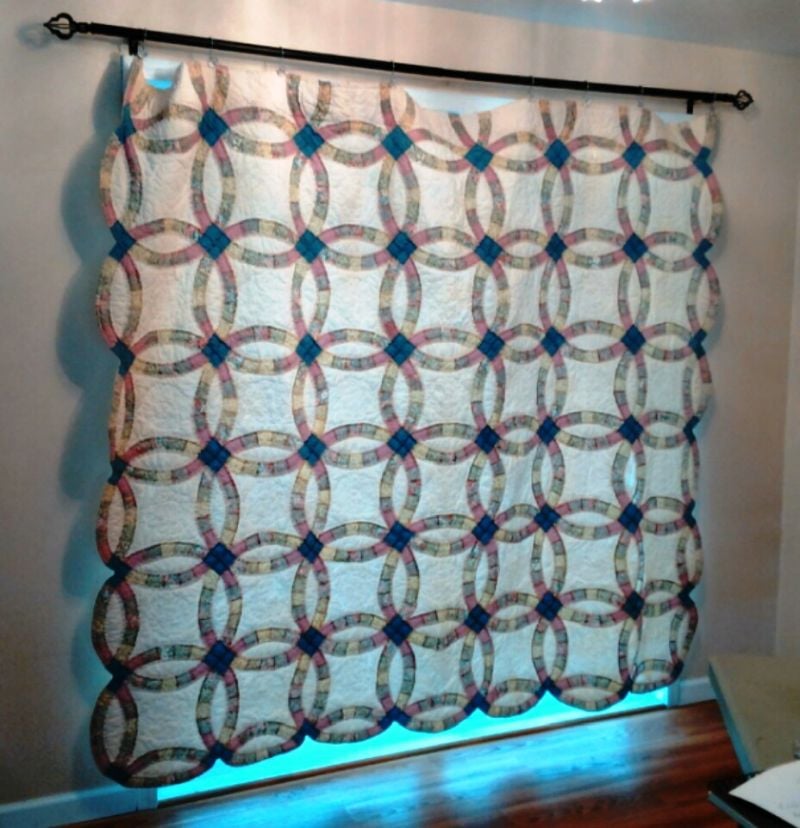
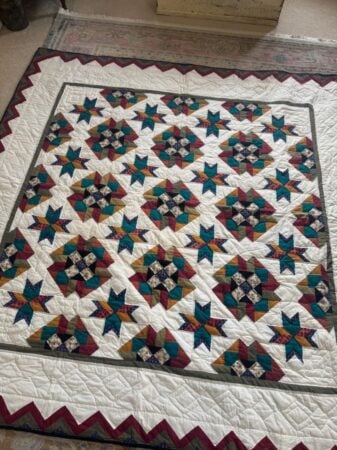
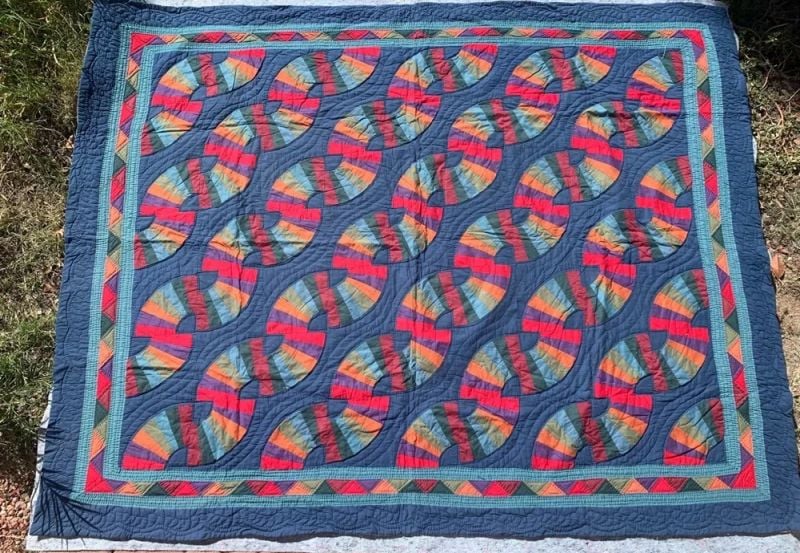
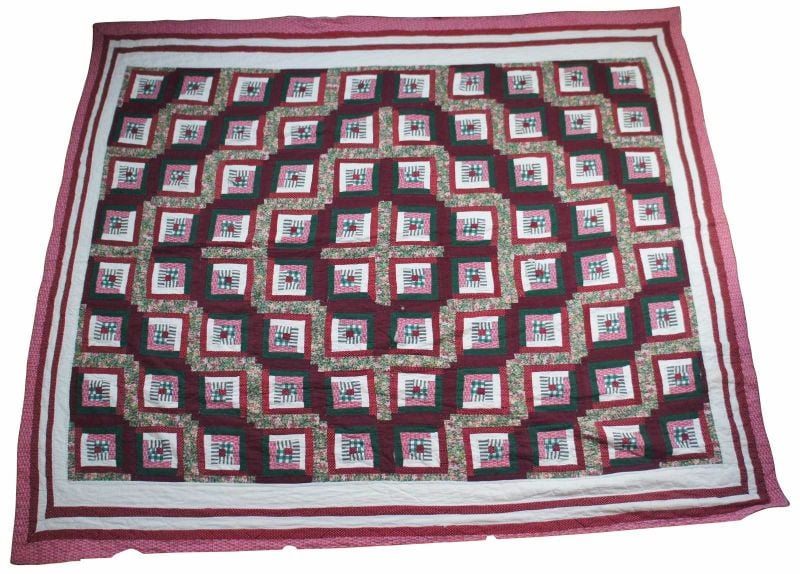
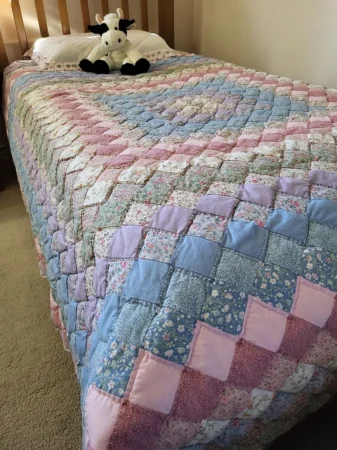
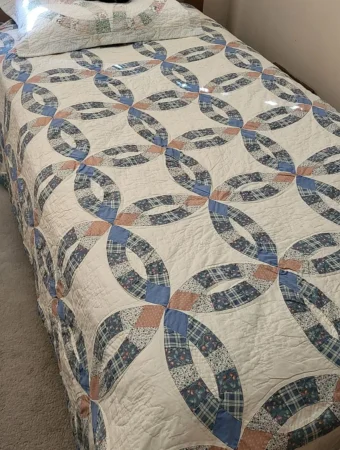
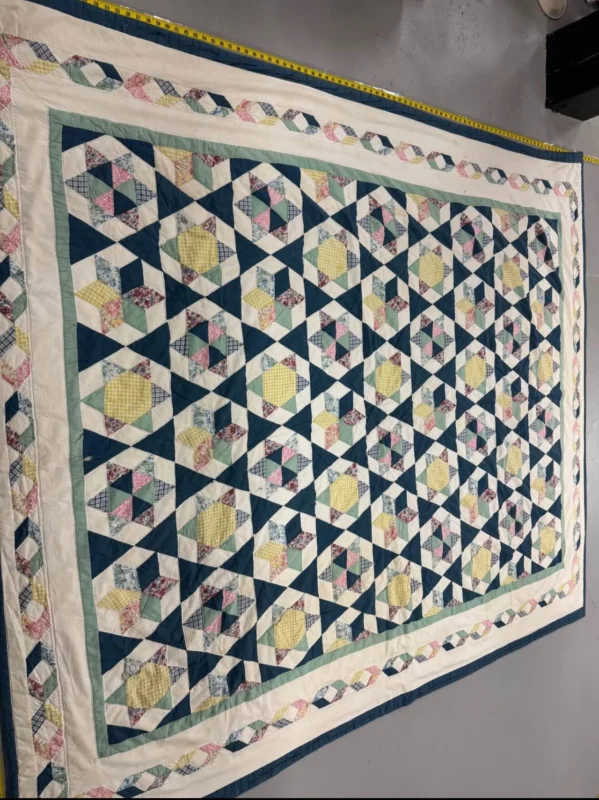
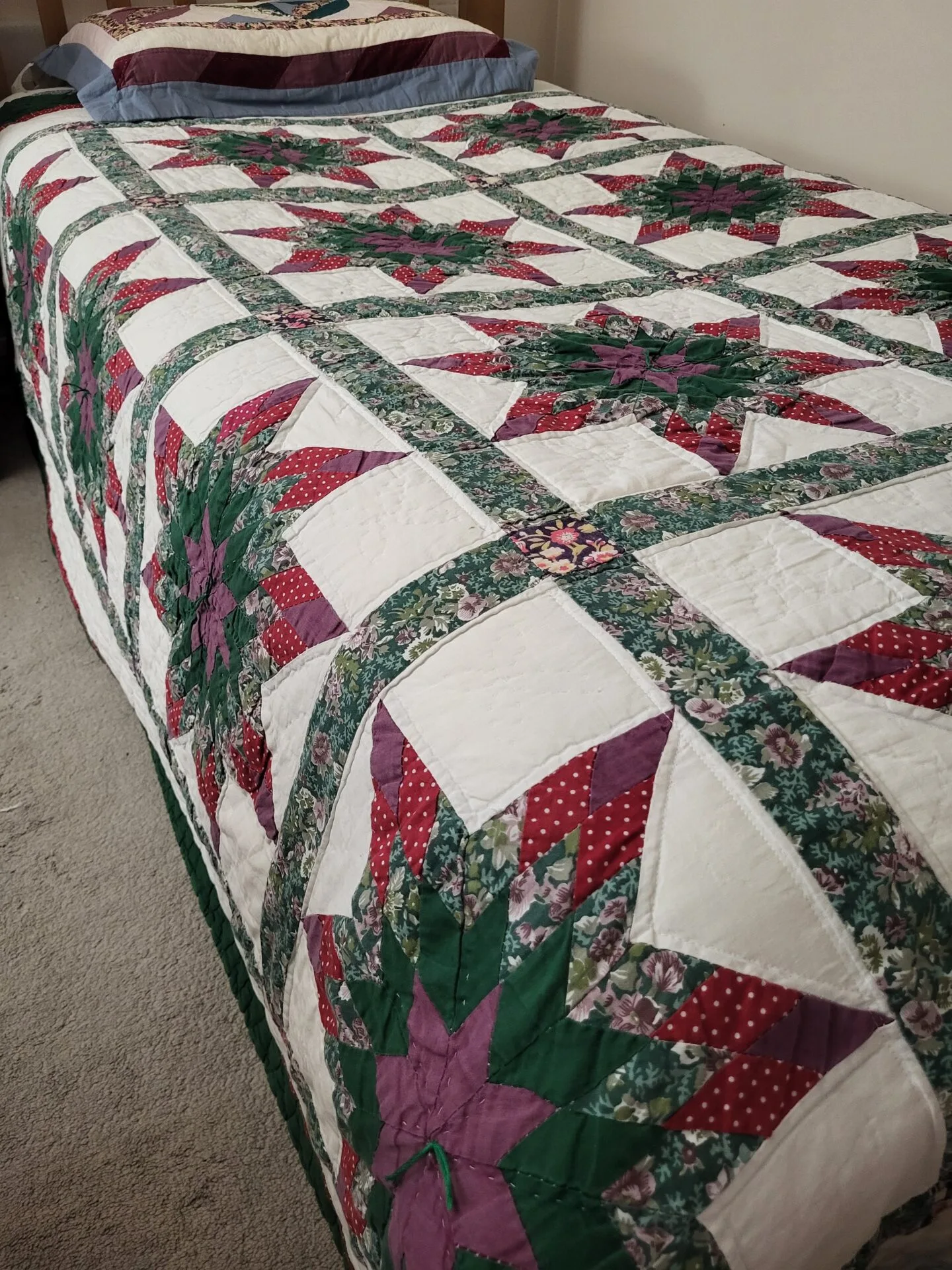
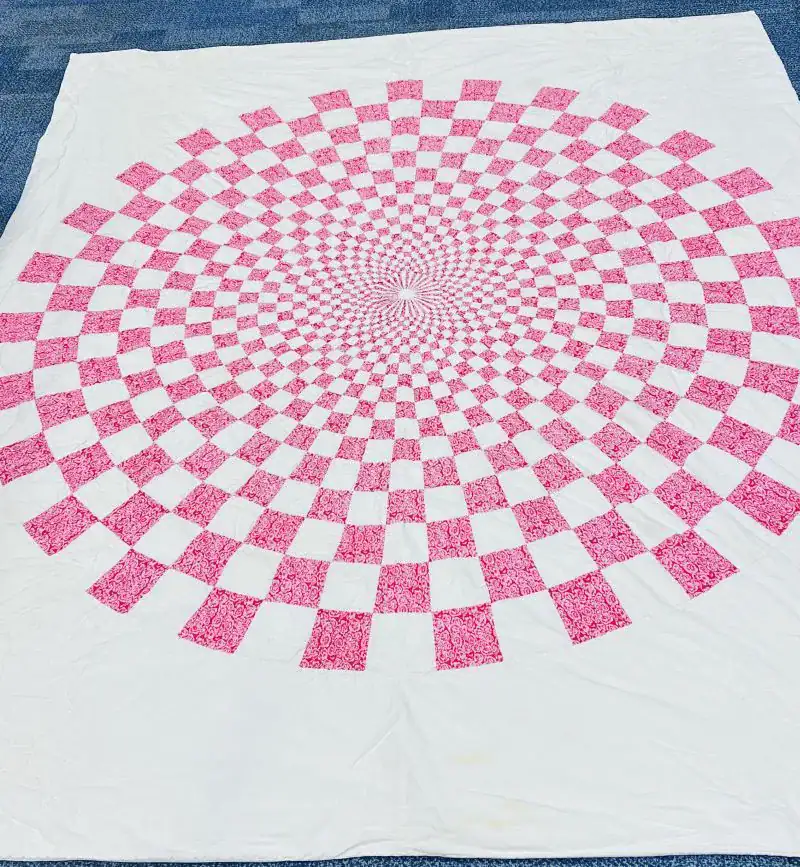
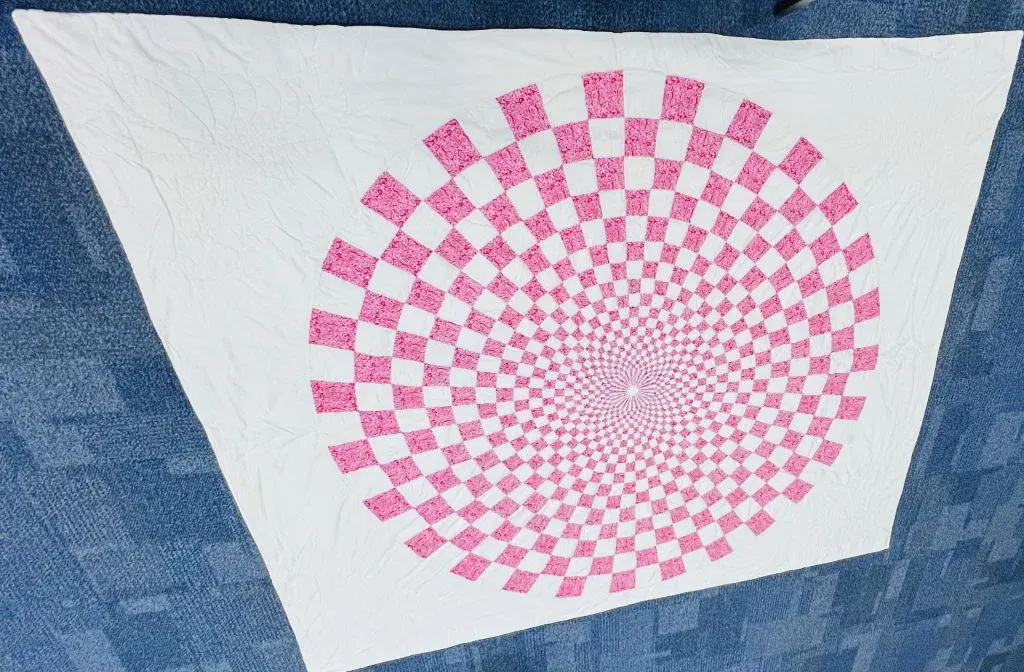
Arch quilts were made in a wide range of traditional American quilt patterns, which is part of what makes them so easy to mistake for genuine antiques. Common designs include Dresden Plate, Double Wedding Ring, Tulip Applique, and Baltimore Album-influenced blocks. You will also find LeMoyne Star, Railroad Crossing, Pineapple, Log Cabin, Eight Point Star, Lone Star, Trip Around the World, and Delectable Mountains. Americana-styled quilts in red, navy, and hunter green were popular as well.
How to Recognize an Arch Quilt
Knowing what to look for can save you from paying antique prices for a department store purchase.
The Label
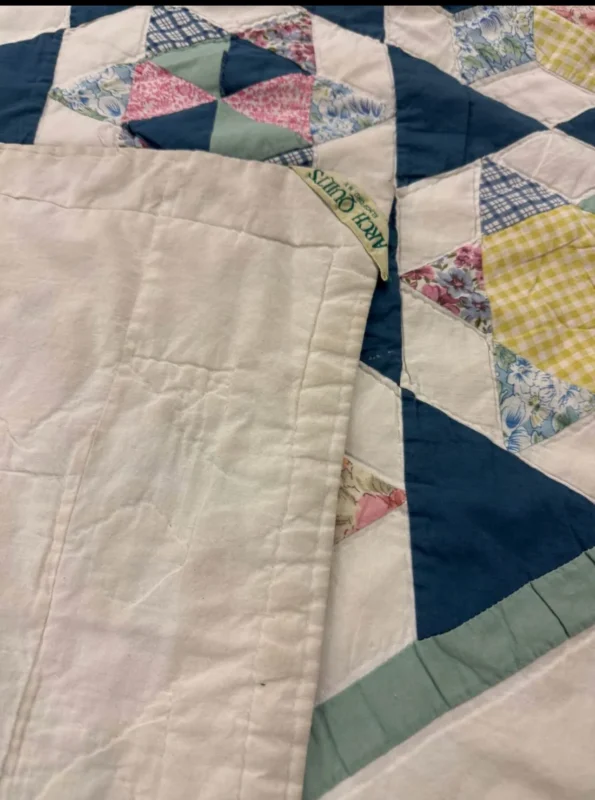
The most definitive identification is the label. Look for tags reading “Arch Quilts Elmsford NY” or “Arch Quilts Hawthorne NY,” possibly along with a “Made in China” tag.
False Knife-Edge Construction
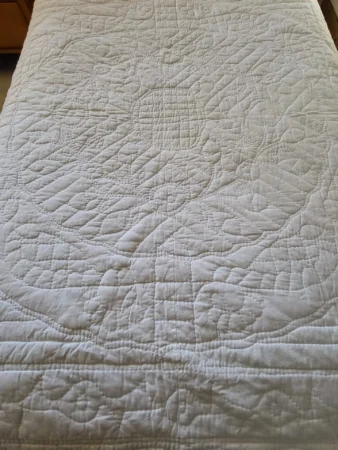
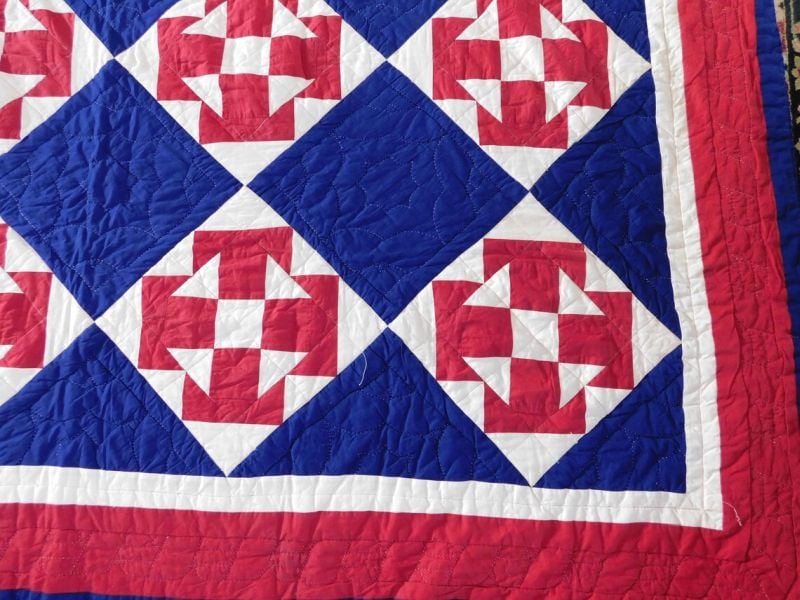
This is one of the trickier identification points, and it trips up a lot of buyers. A true knife-edge finish is made by turning the quilt top and backing in on each other and stitching them closed. There is no batting in this narrow border area. An Arch quilt, by contrast, has batting all the way to the edge, so the knife-edge area will feel puffy or slightly spongy. Sometimes a seam line was stitched about a quarter inch from the edge to simulate a traditional binding, which can leave the edge looking wrinkled or uneven. It’s in the blue Pineapple quilt below right. Once you know what to look for, it is hard to miss.
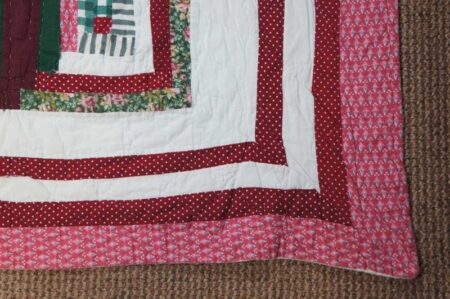
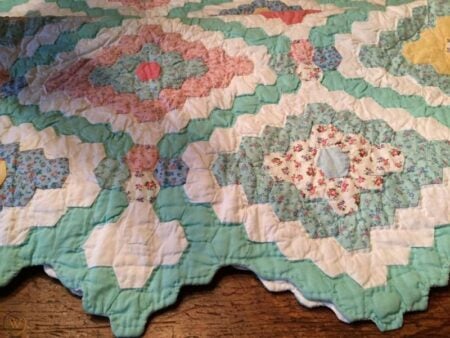
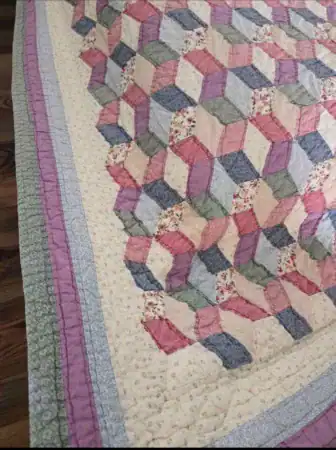
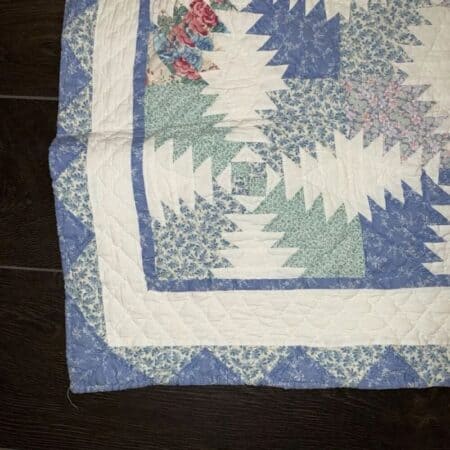
Fabric Clues
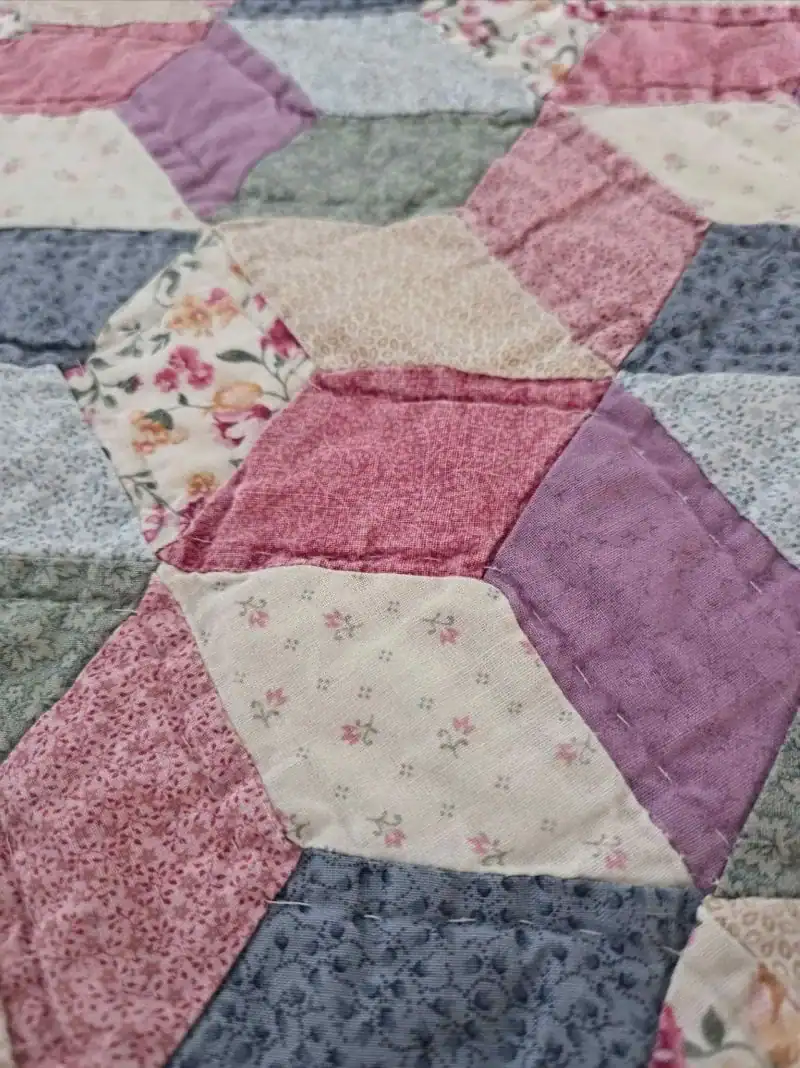
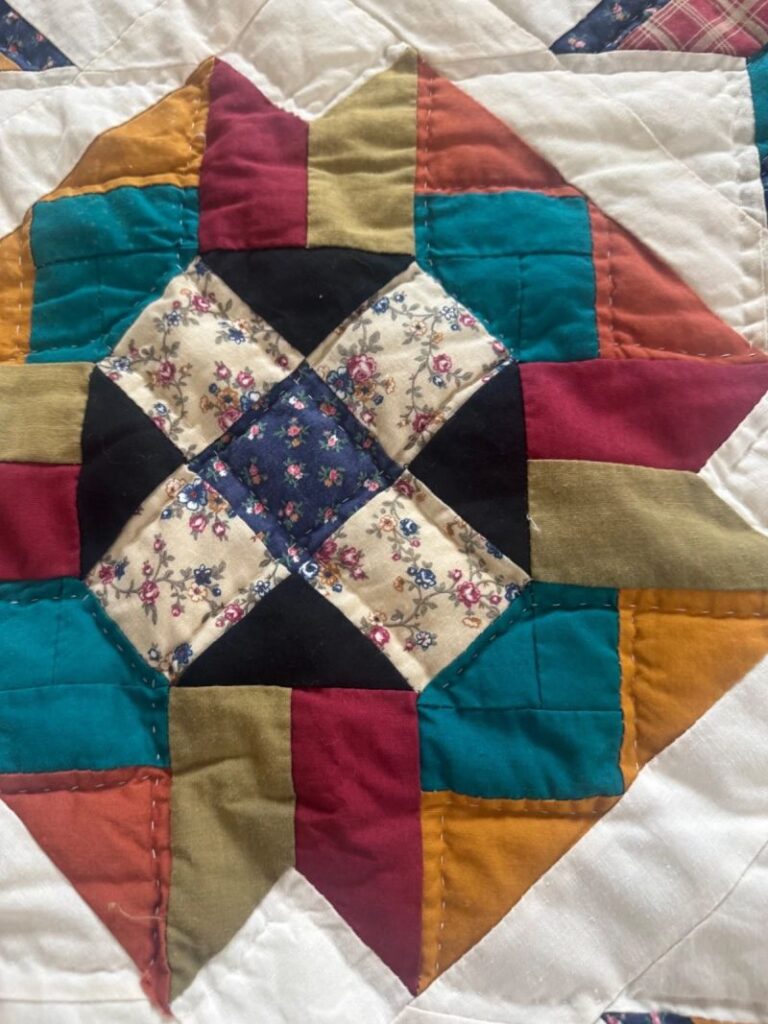
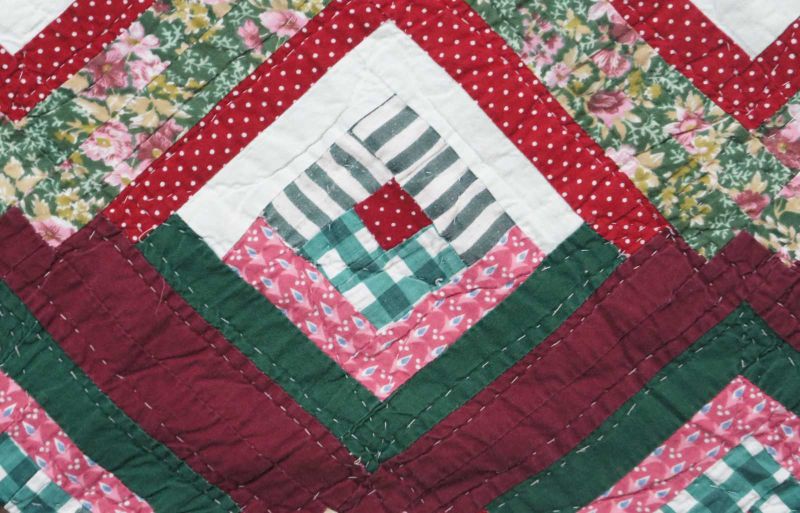
The fabrics used in Arch quilts tend to give themselves away to an experienced eye. The decorator color palettes described above are one clue, but the cotton fabrics themselves are often poor quality. They might be faux antique calicos, 1930s-style reproduction prints, or other imitation fabrics that simply do not have the look or hand of American quilting cotton from earlier eras.
Quilting Style and Construction
Arch quilts were typically machine-pieced and then hand quilted afterward. The hand quilting was decorative rather than functional, with sparse spacing and a low stitch count per inch. The stitches are often large and uneven in length. This is not what you see in a quilt made by an experienced American quilter; it is what you see when quilting is performed quickly as a finishing step rather than as a craft tradition.
Why So Many Are Mistaken for Antiques
Estate sales are ground zero for Arch quilt confusion. A quilt surfaces from a cedar chest with a story attached: grandmother had it for years, it was always in the family, it must be old. And in fairness, it probably is old. Arch quilts are now 30 to 40 years old, and they wear their age accordingly. Faded colors, softened fabrics, and general wear make them look older than they are.
The hand quilting is the other culprit. Many buyers assume that hand quilting equals antique, which is understandable but incorrect. Hand quilting simply means the quilting stitches were sewn by hand, which was true of Arch quilts. It says nothing about when, where, or by whom the quilt was made. Family provenance and hand stitching together make a compelling story, but neither one is evidence.
Are Arch Quilts Collectible?
Arch quilts are not antiques, and they are generally not valuable heirlooms in the traditional sense. But that does not mean they are worthless. They are genuine artifacts of a specific moment in American decorating history, and the country decor revival that comes around every decade or so gives them a nostalgic appeal. Plenty of people use them as draft stoppers, couch throws, or wall hangings, and there is nothing wrong with that.
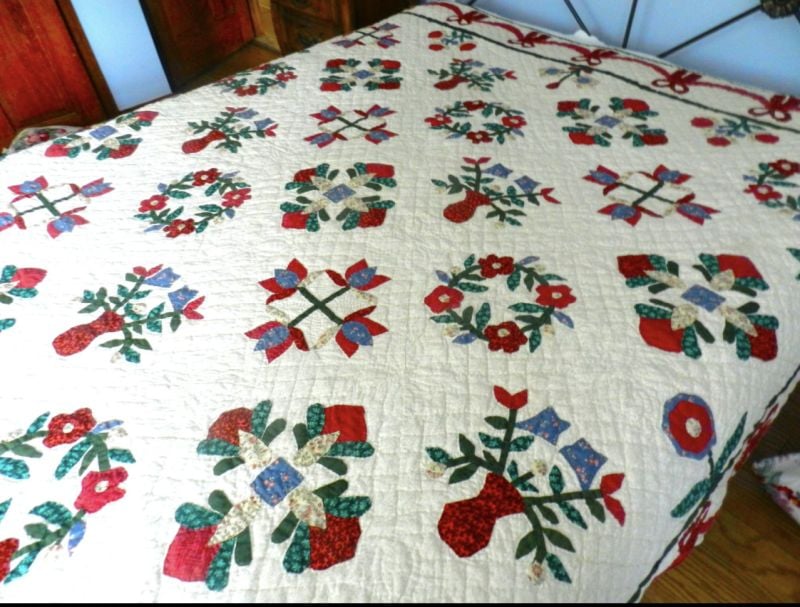
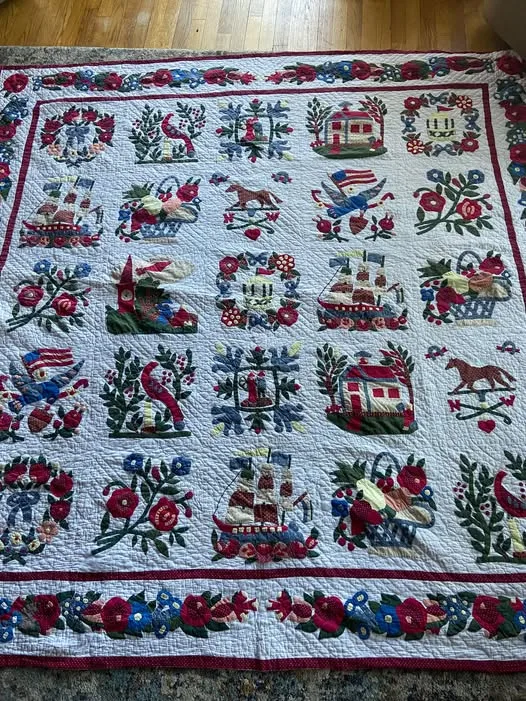
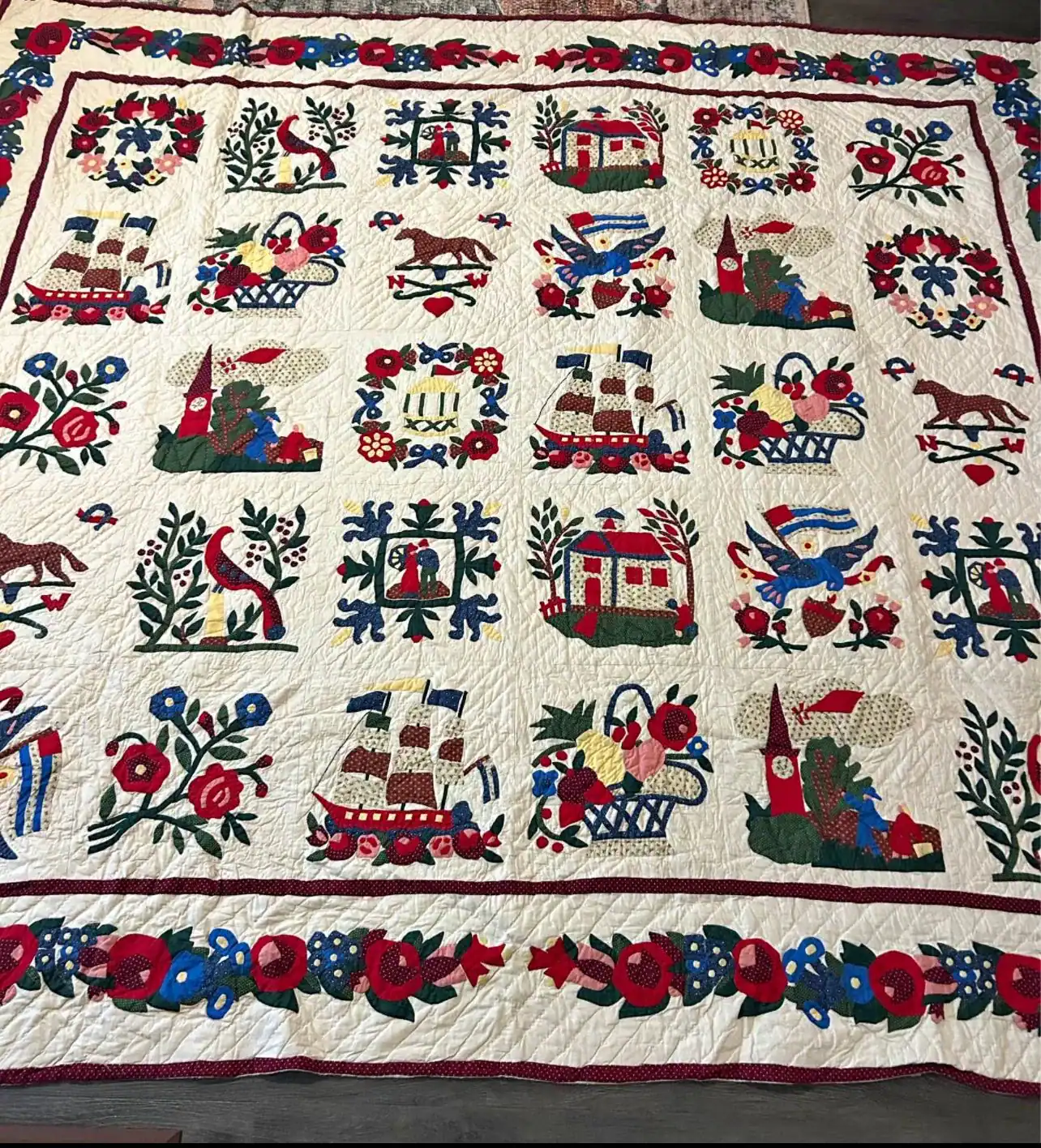
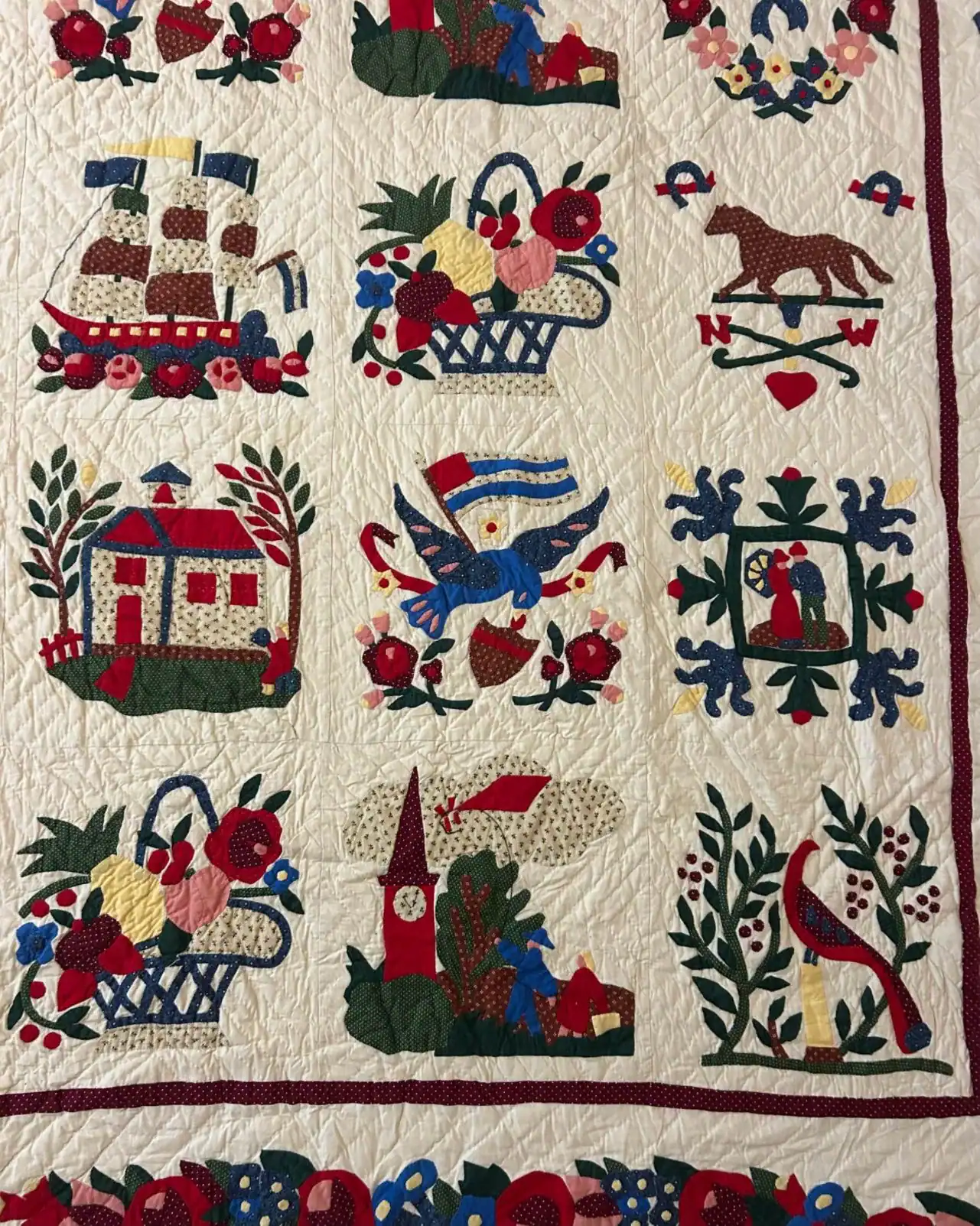
Collection of Andrew B.
Appreciating Them for What They Are
The hand quilting on an Arch quilt, whatever its quality, still represented real human labor. Some examples are surprisingly attractive, and the patterns chosen reflected genuine quilt history even if the execution was commercial. These quilts document what middle-class American homes looked like during a particular era, and that is worth something to the right collector.
Common Misrepresentations Online
When Arch quilts appear in online listings, certain red-flag words tend to follow them. “Antique,” “great-grandmother’s quilt,” “rare,” and “museum quality” should all prompt skepticism. So should “knife edge” and “hand stitched,” which are technically accurate terms that get used to imply age and authenticity they do not actually establish. A listing that combines several of these phrases with a Double Wedding Ring or Dresden Plate pattern in mauve and dusty rose deserves a closer look before any money changes hands.
The Legacy of Arch Quilts
The country decor boom has faded, and the Arch quilts that furnished it have quietly dispersed into estate sales, thrift stores, and antique malls. Younger collectors encountering them may have no frame of reference for what they are looking at. The quilts are becoming “vintage” simply because time passed, and that process will only continue.
They are not antique quilts. But they are now honest artifacts of late-20th-century decorating culture, and they deserve to be understood as such. Before you buy, look for the label, feel the edge, examine the fabric and the stitching, and do not let a good story substitute for evidence. Quilt history requires evidence, not assumptions.
And at the end of the day, the true value of any quilt is in how much you love it.
