The T Block and Temperance Quilts: Separating Fact from Folklore
Was every old T quilt a temperance quilt? No, but the question opens the door to one of the most interesting intersections of quilt history, women’s reform work, and 19th-century politics including the WTCU.
I went looking through my own antique quilt blocks for a good example. I haven’t found the perfect one yet, but give me time. Quilts are patient. Historians have to be, too.
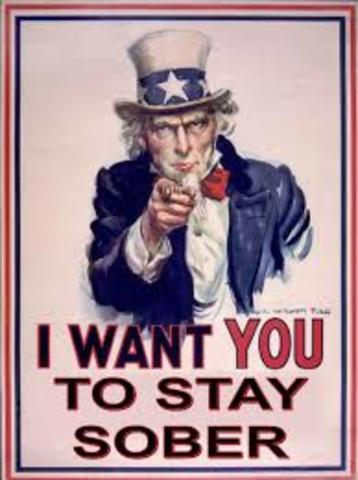
Before I tell you about the Temperance Movement, I have to give you a very generalized view of the life and times of the women who started it. In the early 19th century, women were seen more like servants than companions to their husbands. They had a clearly defined role in their family. They were the caregivers, their husbands were the providers.
So it makes sense that women would not be involved in politics. In the early 19th century, women’s lives were legally and socially restricted, especially after marriage. Many women were educated enough to read and write, but they had few public rights, limited control over property or wages, and little formal voice in politics.
Long before they had the vote, women found ways to influence public life through churches, reform societies, fundraising fairs, petitions, lectures, and printed material. The Civil War widened those roles, but it did not create them. Married women’s property laws changed gradually during the 19th century, but rights varied by state and were often limited.
This became a necessity as the war dragged on and the men who were providing for their families didn’t come back. Widows and abandoned wives could face harsh choices, especially if they had children and little property. That hardship helped make temperance more than a private moral issue. For many women, it was tied directly to food, shelter, safety, and survival.
Marry in Haste, Repent at Leisure – Women’s Lives Before the Temperance Movement
The women who married in haste discovered their new husband addicted to drink, and why not? It was socially acceptable and cleaner than the water of the time. But it also led to inconsistent home life, and sometimes to the poorhouse.
After the Civil War, the abolitionist movement was slowing down just as the women’s rights movement was picking up. Suffragists were demanding not only the vote but also equal access to education and employment, a married woman’s right to her own property and wages, custody over her children, and control over her own body.
At that time, children were owned by the father – he could do as he pleased with them. Birth control was a taboo topic. Any discussion on the topic was illegal and could (and did) result in the imprisonment of the women involved.
The temperance movement began prior to the civil war with requests by both men and women that people sign pledges renouncing hard liquor—- promises to drink only beer and wine. Anti-drinking activity reached a peak during the Woman’s Crusade of 1873-74 with women taking direct action to close down saloons.
The Women’s Christian Temperance Union was founded in 1874 and began making signature quilts for fundraising, called Crusader Quilts. The symbol of the WCTU and the temperance/woman’s suffrage movement is a white ribbon on a pin. The white ribbon was selected to symbolize purity, and the WCTU’s watchwords were “Agitate – Educate – Legislate.” WCTU supporters and temperance workers also used quilts for commemoration, fundraising, and community-building. Some were signature quilts, including quilts associated with the Woman’s Crusade.
With so much energy behind the movement, it is natural to assume that temperance women left their mark on their quilts in obvious ways. A T for Temperance. A Drunkard’s Path for the road they hoped to close. It is a tidy story. It just may not be entirely true.
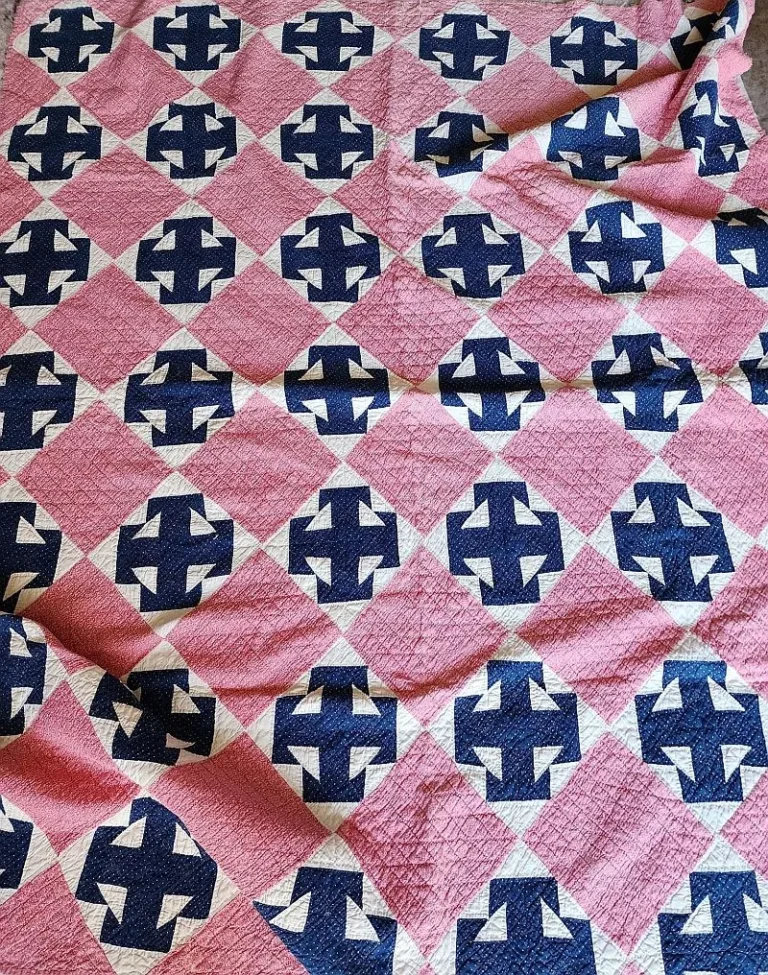
However…Did Temperance Quilts Actually Use the T Block?
There is no indication that these fundraising quilts used the letter T or were drunkards’ path quilts, as commonly supposed. The first “T” block wasn’t documented until 1883. Although the WCTU adopted blue and white as their colors, these fundraising quilts may or may not have been blue and white and likely didn’t use the “T” block. Historians now recognize that temperance supporters made quilts in many styles, including fashionable styles of their own time. A true WCTU quilt usually needs firmer evidence, such as an inscription, a documented maker, signatures, or the letters W.C.T.U.
The Eighteenth Amendment to the US Constitution was passed in 1919 with the belief that banning alcohol would improve virtually all of society’s ills. It was repealed with the 21st Amendment in 1933, leaving the banning of illicit substances in the hands of the individual states.
What Would A “T” Quilt Look Like?
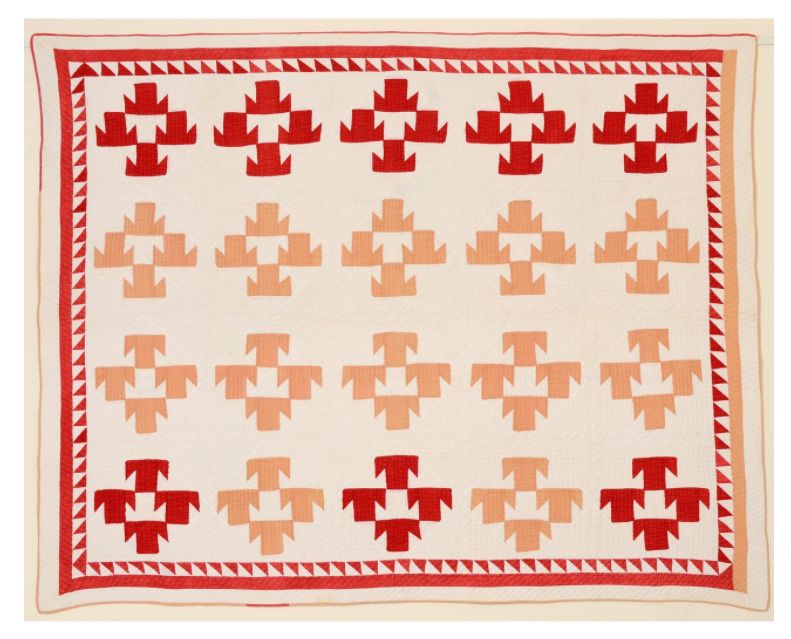
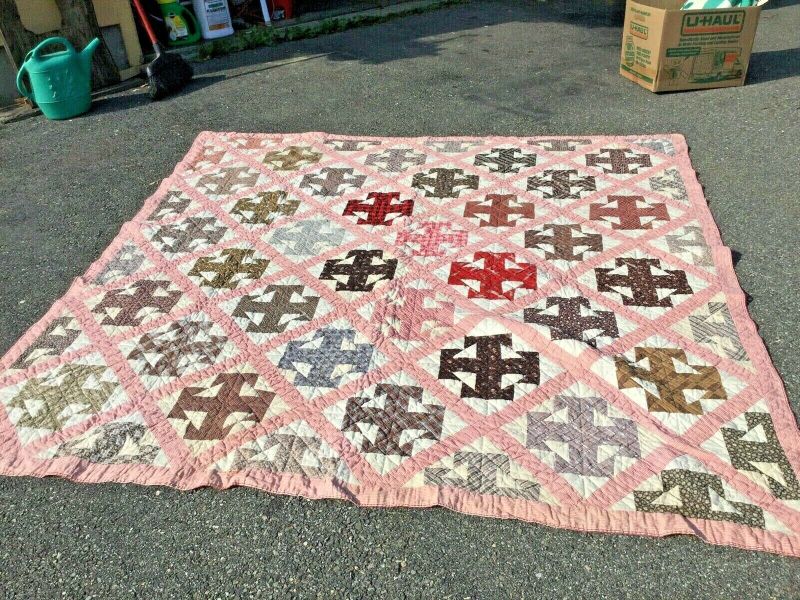
Not every T quilt was a political statement. But in an era when women had almost no public voice, even a quilt block could carry a message. These women stitched their opinions into every seam, and a few of those opinions have lasted longer than Prohibition did.
More Original “T” Blocks
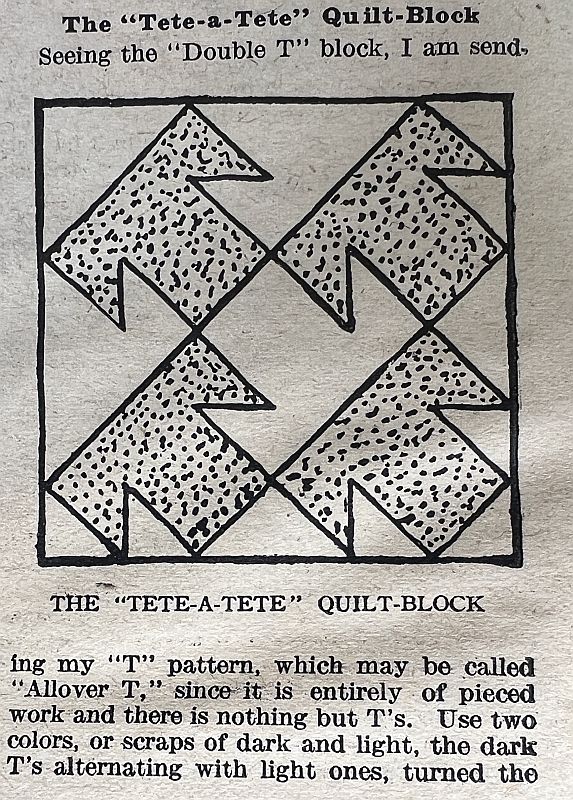 Notice how this block tesselates – the design makes a T in the center. | 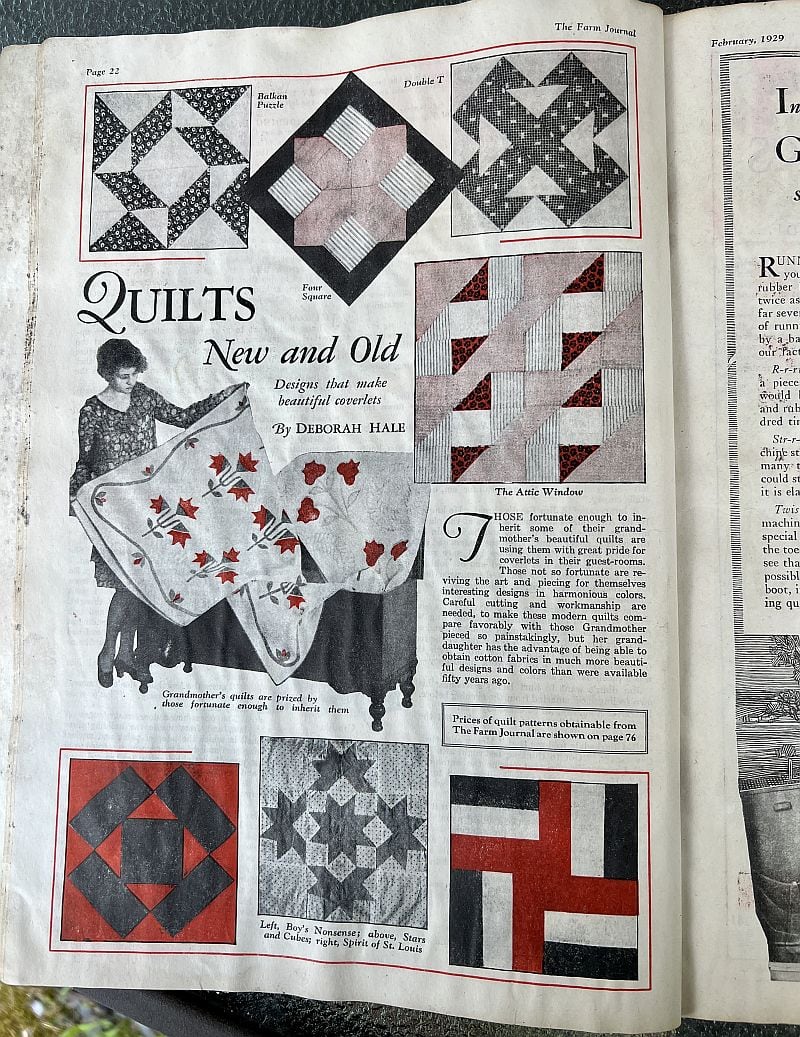 This is called a Double T block in the magazine |
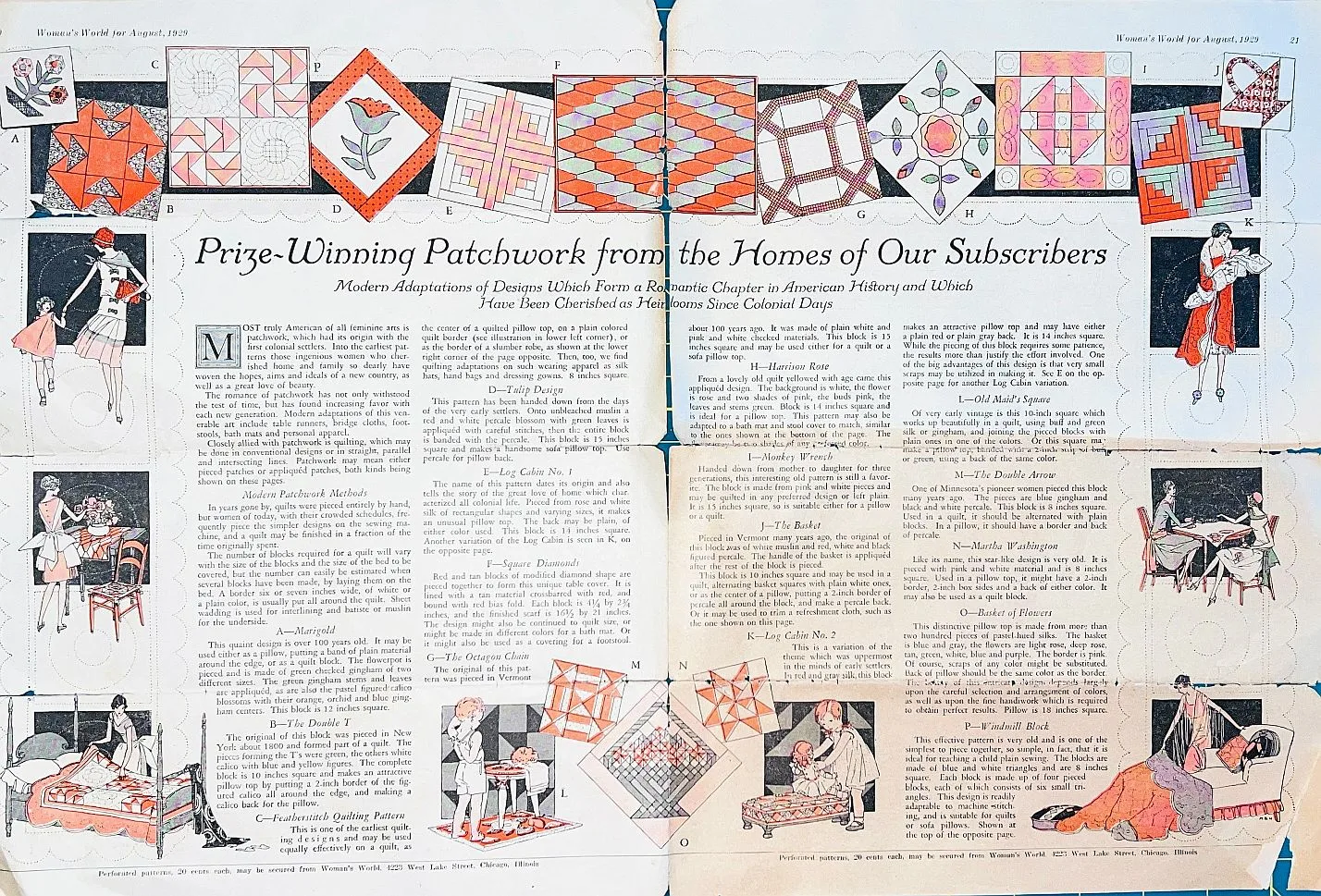
Learn More
A Temperance Pledge (image)
American Quilts of Patriotism and Political Commentary —The Quilt Index
Crusading Quilts: Social Reform and the Woman’s Christian Temperance Union
Drunkard’s Path Quilts, T Quilts, and the W. C. T. U. —The Quilt Index
For Purpose and Pleasure: Quilting Together in Nineteenth-Century America
Hearts and Hands: The Influence of Women & Quilts on American Society
Shared Threads: Quilting Together–Past and Present
Social Welfare History Project, Virginia Commonwealth University
The Temperance Block by Barbara Brackman
The Fabric of Persuasion: Two Hundred Years of Political Quilts
