Fabrics
Talking about Textiles
Textiles aren’t just fabric. They include anything fiber-based, from woven cloth to things like curtains, towels, and canvas. If it started as fibers, it’s a textile. Textiles are as old as human civilization, with early examples traced back to ancient cultures such as Egypt and other parts of Africa. Making cloth was one of the first major human technologies. See also Cotton and Textile Terminology.
How Textiles are Woven
These structures determine how a fabric looks, feels, and performs.
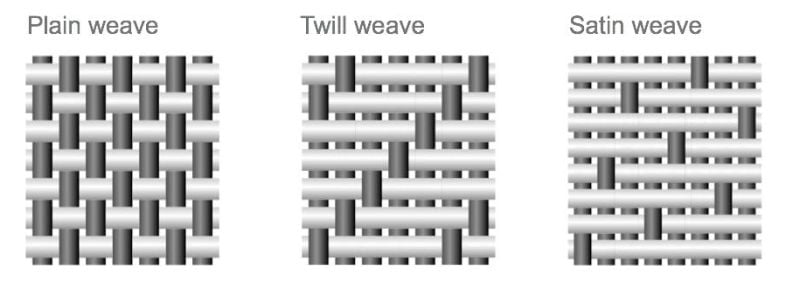
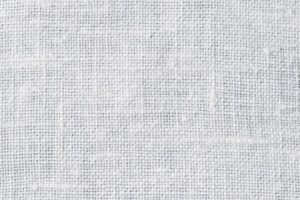
Plain Weave
Most quilting cotton is plain weave. Threads go over-under in a simple grid. It is stable, predictable, and easy to cut. It presses nicely and behaves well with a 1/4″ seam. It’s best for quilts because it doesn’t stretch much, it lines up cleanly, and your blocks come out the size you expect.
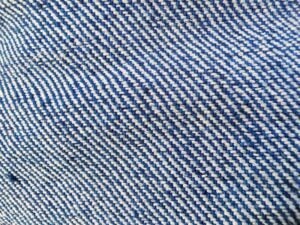
Twill Weave
Twill is woven on the diagonal, making it stronger and more durable. Since it is on the bias, it has a bit more give. Since it is slightly thicker than quilting cotton, it is ideal for denim clothing, bags, and utility quilts. There are several types of Twill Weave: 3 x 1 Twill Weave; 2 x 1 Twill Weave; Cavalry Denim; Broken Twill; and Herringbone.
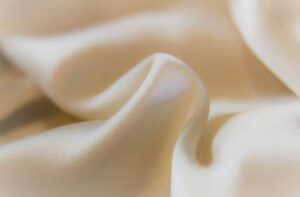
Satin Weave
This one is all about smoothness and shine. Long thread “floats” to create that silky surface by passing over several warp yarns (known as harnesses) and under one. It’s less stable and more prone to fraying as well as slippery under the needle. There are several types of satin weave: 4-harness (Crowfoot); 5-harness; and 8-harness.
Types of Textiles
Woven Fabrics
Made by interlacing threads at right angles (warp and weft) Includes the three weaves you already saw: plain, twill, satin
Strong, structured, and common in clothing and quilting. Think: quilting cotton, denim, canvas
Knitted Fabrics
Made by looping yarns together (like hand knitting or T-shirts). Stretchy and flexible. Less stable than woven fabrics. For example, jersey, rib knit, sweaters.
Nonwoven Fabrics
Fibers are bonded together instead of woven or knitted. Can be glued, pressed, or felted. Often used for practical or disposable items. For example, felt, batting, interfacing
Braided Fabrics
Strands are intertwined diagonally rather than woven straight across. Very strong and flexible. Used for ropes, trims, and cords.
Net or Lace Fabrics
Have an open, airy structures with holes. Made by looping, twisting, or knotting threads. For example, lace, tulle, or netting.
Fiber Types
Fiber choice affects the softness, strength, and stretch of a fabric, as well as how it behaves under your iron.
Natural Fibers
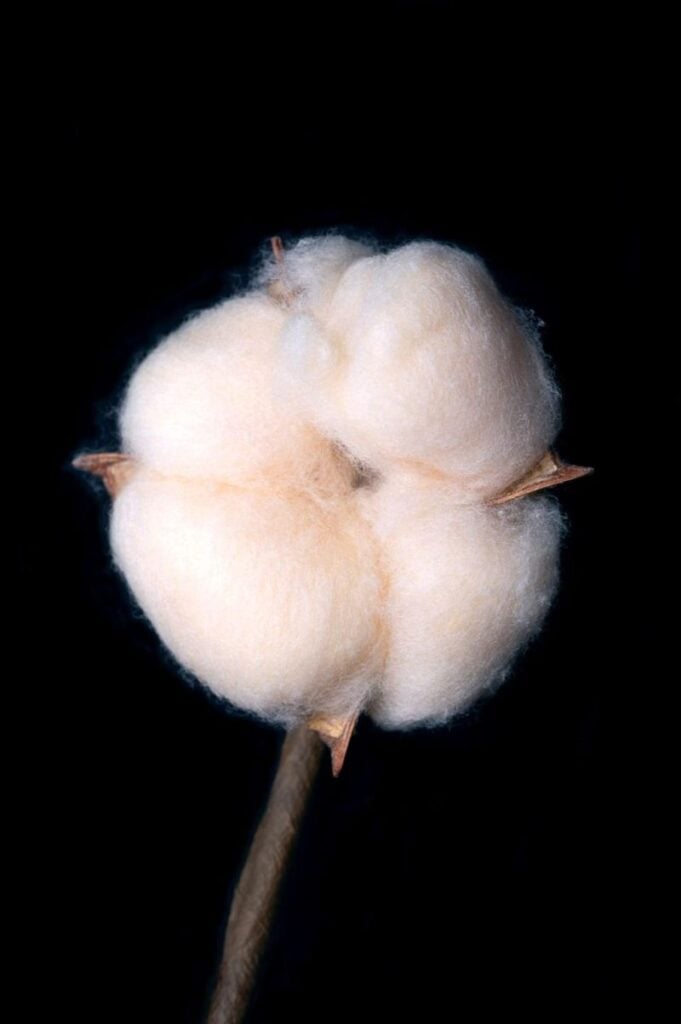
Cotton
Cotton fabric is made from the cotton plant. It is a stable fabric that holds its shape well. It is soft, breathable, and easy to sew.
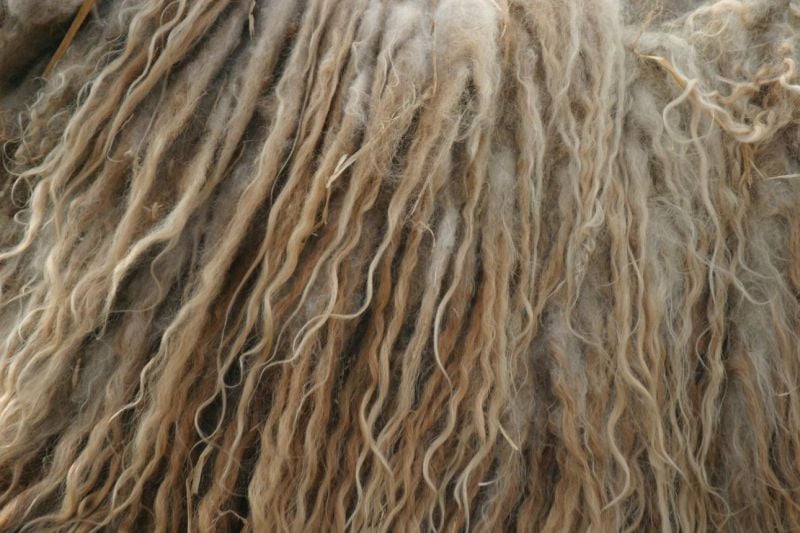
Wool
Comes from animal hair (usually sheep). It’s warm, slightly stretchy. warm and forgiving, but not precise. It can felt (shrink and lock together). Great for warmth, but not your go-to for precise piecing unless you enjoy surprises.
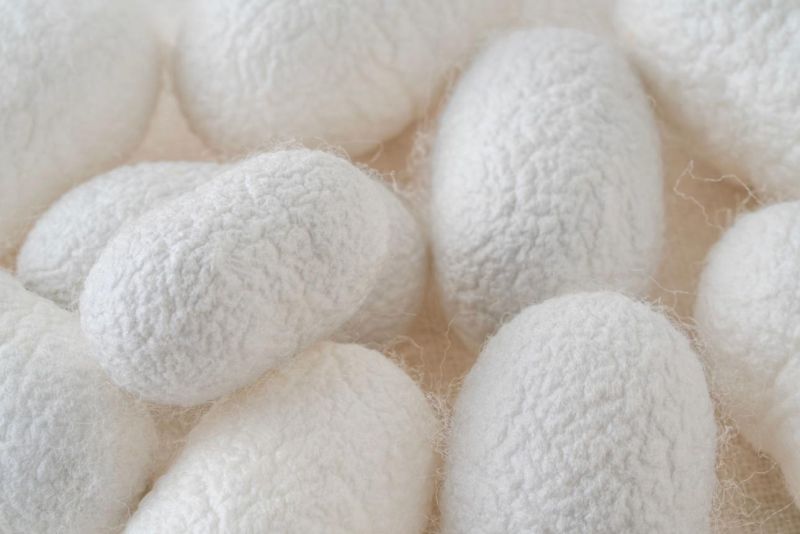
Silk
Made from silkworm fibers, it’s smooth, shiny, and strong. A lightweight but slippery fabric. You may need to use tissue paper between the right sides of the fabric. Use a special needle and silk thread, too.
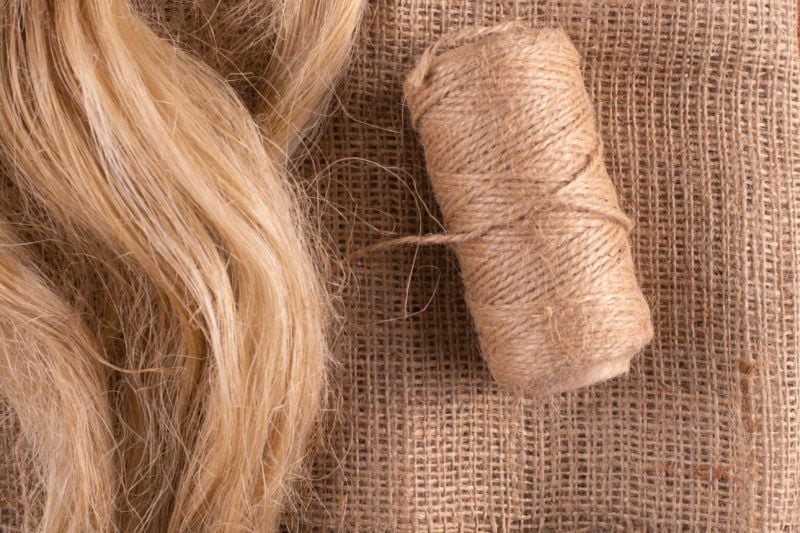
Linen
Linen is made from flax plant fibers. Easy to grow and easy to weave, it is a strong and breathable fabric that dates back centuries. It’s not bad for quilts, but it does wrinkle easily.
Synthetic Fibers
Polyester
This man-made fiber is durable and wrinkle-resistant but it doesn’t absorb moisture well. Tough and low-maintenance, but not always as pleasant to sew or press.
Nylon
This is another synthetic fiber that is very strong and lightweight. It is often used in outdoor gear because of it’s durabiity. Great if you are making backpacks.
