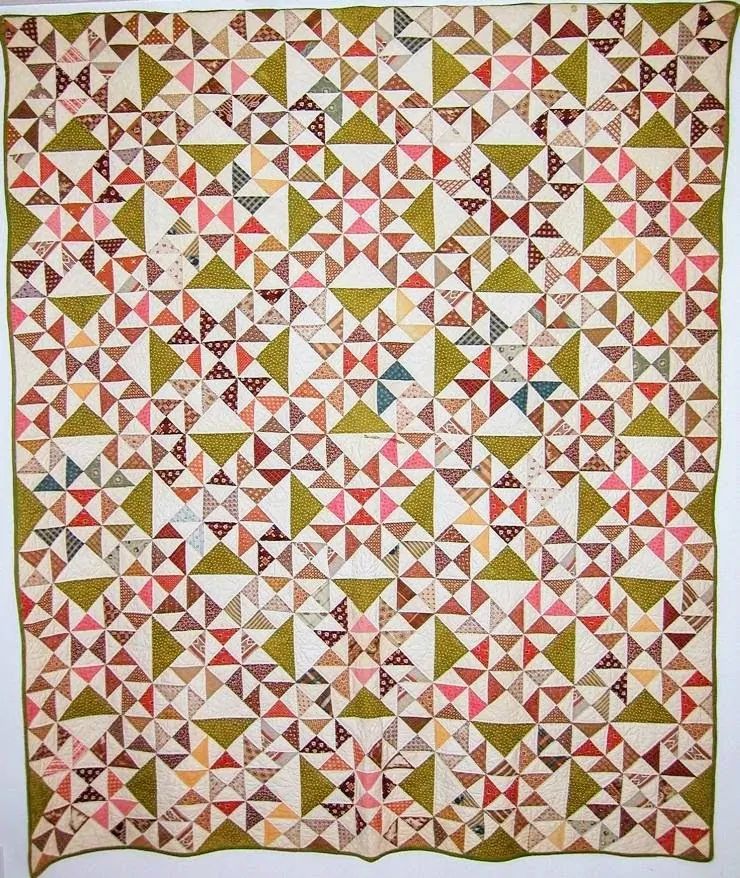
Top Ten Titles for the Study of Antique Quilts – The Sequel
This page contains affiliate links. If you buy through them, I may earn a small commission at no extra cost to you. As an Amazon Associate I earn from qualifying purchases. Learn more
Ask ten quilt historians to recommend the most important books on quilt history, and you’ll probably get ten different answers. That is exactly what happened when the original survey was conducted on the Quilt History List in 2001. The participants included some of the most respected quilt scholars of their day, and while a handful of classic titles appeared on nearly every list, each historian brought a different perspective to the study of quilts.
More than twenty years later, many of those recommendations remain essential reading. Books by Barbara Brackman, Patsy and Myron Orlofsky, Ruth Finley, and other pioneering researchers still deserve a place on every quilt history bookshelf. However, today’s researchers have access to something many of those scholars could only dream about in 2001: vast digital collections containing thousands of quilts, historic newspapers, family records, museum collections, photographs, and primary source documents.
This updated list is a companion to the original Top Ten Titles from 2001. Most of the classic books still belong on the list, but some of the most important additions aren’t books at all. They are digital archives and research tools that have transformed the way we study, document, identify, and preserve quilt history. These resources belong in every modern quilt historian’s toolbox. If you know of any that I have missed, please get in touch! I will add them.
If I Had to Pick The Top Ten Books Now
Always There: The African-American Presence in American Quilts
Benberry traces African American quiltmakers from the days of slavery through the twentieth century, using documented quilts rather than legend. It is a careful, fact-based starting point and a good antidote to the myths that often surround these quilts.
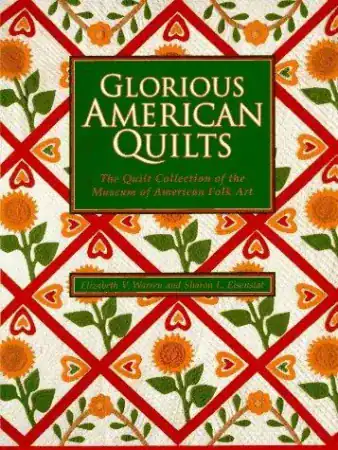
Glorious American Quilts: The Quilt Collection of the Museum of American Folk Art
A big, beautiful tour of one of the country's great quilt collections, grouped by style with a helpful caption for each quilt. It works as a visual encyclopedia when you want to see many examples of one type side by side.
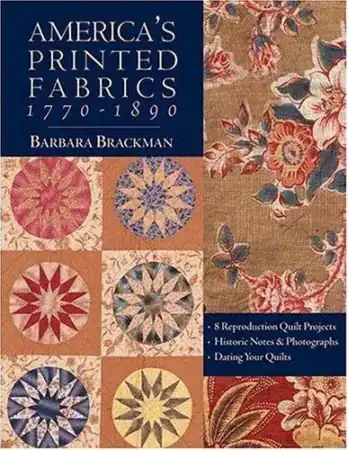
America's Printed Fabrics 1770-1890
Brackman walks through the printed cottons Americans used from the Revolution to the late 1800s, with photographs of antique quilts and fabrics. A practical companion when you are trying to date the prints in an early quilt.
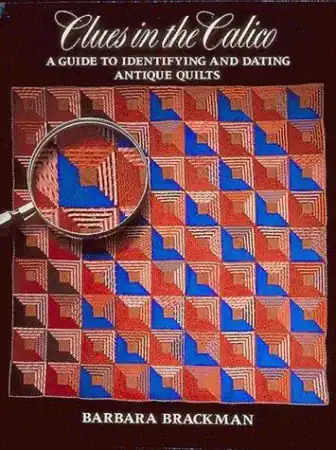
Clues in the Calico: A Guide to Identifying and Dating Antique Quilts
The go-to guide for dating a quilt by its fabrics, colors, patterns, and construction. If you only buy one book on dating quilts, most quilt historians would tell you to make it this one.
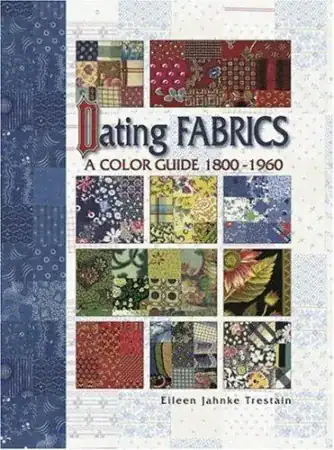
Dating Fabrics: A Color Guide 1800-1960
Page after page of color photos of real fabric swatches, arranged by era. Hold your quilt next to the pictures and you can often narrow down its age in minutes.
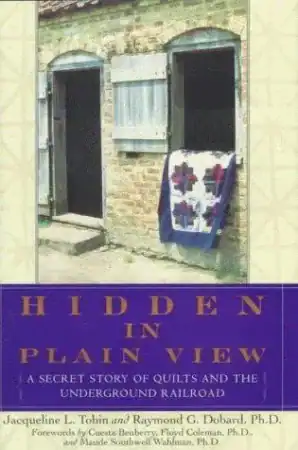
Hidden in Plain View: A Secret Story of Quilts and the Underground Railroad
The bestseller that made the Underground Railroad quilt code famous. Historians have found no evidence the code existed, but this book explains a story you will hear again and again, so it is worth reading with a skeptical eye.
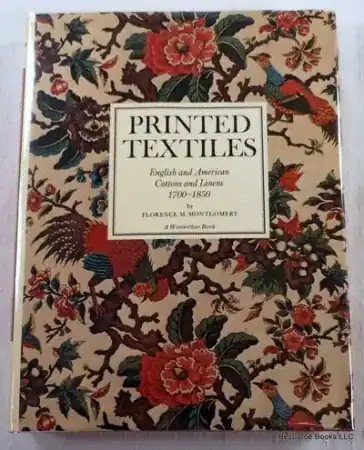
Printed Textiles: English and American Cottons and Linens, 1700-1850
Winterthur Museum's landmark study of early printed fabrics, with many plates. It is the place to go when you need to identify chintzes, copperplate prints, and other early fabrics in a quilt.
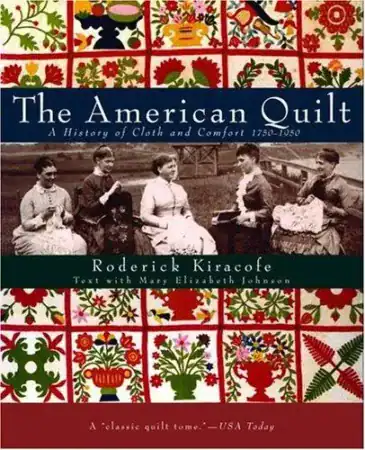
The American Quilt: A History of Cloth and Comfort, 1750-1950
A readable history that ties quilts to the fabrics and social changes of each era. The era-by-era layout makes it easy to look up the period your quilt likely came from.
Uncoverings (the complete set)
The yearly research papers of the American Quilt Study Group, available as a complete set from AQSG. If a quilt history topic has been seriously researched in the last forty years, it is probably in here.
Your State's Quilt Documentation Book
Most states have documented thousands of quilts and published what they found. Your own state's book shows the quilts your neighbors' ancestors actually made, which makes it the best local reference you can own.
Also Worth a Place on Your Shelf
These classics from the original 2001 list did not make my top ten, but I would not want to be without them.
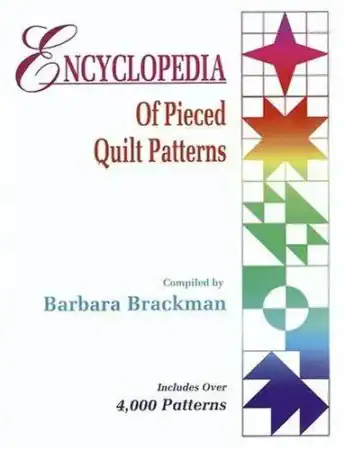
Encyclopedia of Pieced Quilt Patterns
Thousands of pieced blocks, each with a number, its known names, and where it was first published. When you need to name a block or find out how old a pattern is, this is the standard reference.
Quilts in America
A thorough and well-researched history of American quilts, with strong chapters on fabrics, dyes, and techniques. Historians still recommend it as one of the most reliable general histories.
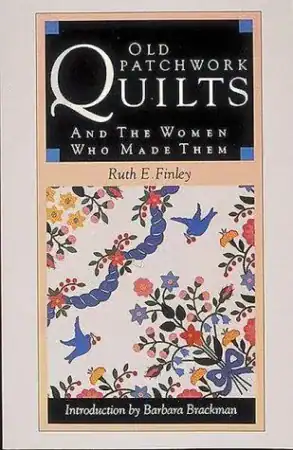
Old Patchwork Quilts and the Women Who Made Them
One of the earliest quilt history books, full of pattern names, stories, and opinions. Some of its stories have not held up to later research, but it is a foundational book that shaped how Americans think about quilts.
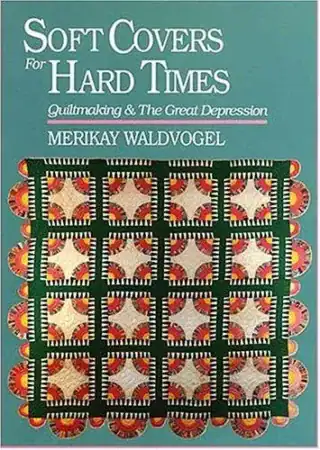
Soft Covers for Hard Times: Quiltmaking and the Great Depression
How and why quilting boomed during the Depression, from feedsacks to kits to newspaper patterns. If you have a 1930s quilt, this book explains the world it came from.
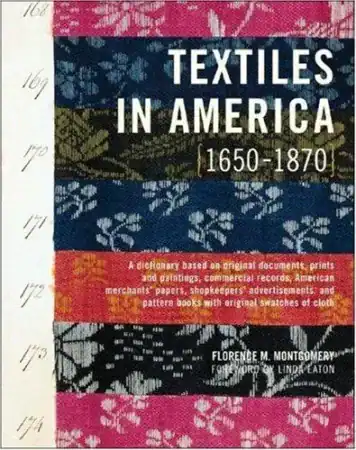
Textiles in America, 1650-1870
A dictionary of historic fabric names, with descriptions and samples. When an old letter or inventory mentions a fabric you have never heard of, this is where to look it up.
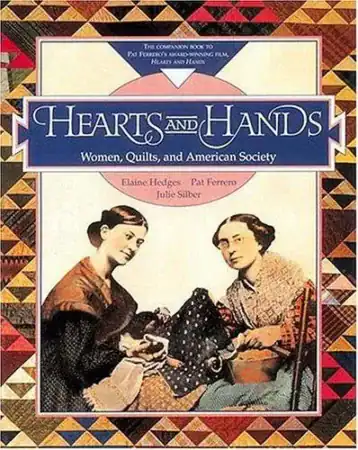
Hearts and Hands: The Influence of Women and Quilts on American Society
The companion book to the documentary film, connecting quilts to nineteenth-century women's lives, from westward travel to abolition, temperance, and the vote. A wonderful read for the stories behind the stitches.
Digital Resources That Didn’t Exist in 2001
These aren’t books, but they belong in a modern researcher’s toolkit:
- The Quilt Index contains tens of thousands of documented quilts from state quilt projects, museums, private collections, and research organizations.
- American Quilt Study Group. If a topic has been seriously researched in the last 40 years, AQSG probably published something about it.
- International Quilt Museum. Many quilts are photographed in far greater detail than older books ever allowed. You might also find provenance and research notes about each quilt.
- The Smithsonian. Again, many historic quilts can now be examined online in far greater detail than was possible when many classic quilt books were written.
- Library of Congress digital collections. Here you will find historic newspapers; family photographs; diaries; letters; WPA interviews; early pattern publications and textile photographs.
- The Winterthur Museum. Very helpful for fabric identification, textile history, and decorative arts context.
- Ebay and Etsy. For identification purposes, not values. You can often find examples of rare pattern names, regional styles, kit quilts, and depression-era textiles. Antique dealers often provide photographs of details that are hard to find elsewhere.
Historic Newspaper Databases
Pattern names often appeared in newspapers decades before they appeared in quilt books. I’ve used old newspaper databases many times to track down when a pattern name first appeared. Consider:
- Newspapers.com
- Chronicling America (free)
- Google Books has 19th-century ladies’ magazines; agricultural journals; needlework publications; and household manuals. I’ve found original references to quilting terms there that were nearly impossible to locate twenty years ago.
Census Records
If you are researching a signature quilt, or just a family story about a quilt, these sites can help. Many “Grandma made this quilt in 1840” stories collapse quickly when Grandma wasn’t born until 1868. These sources can help you verify quiltmaker identities, confirm dates, and connect signatures on friendship quilts. I used all of these when researching the quilt below.
- Ancestry
- FamilySearch
- Find A Grave
- Military Records