The Feedsack Story
The Origins of the Feedsack
The feedsack story began in the early 1800s, when food staples, grain, seed, and animal feed were shipped and stored in tins, boxes, and wooden barrels. These containers were expensive, bulky, and easily damaged. Tin rusted, while hand-made boxes and barrels often leaked during transport. They were bulky, heavy and difficult to transport. Manufacturers wanted to find another method, but didn’t consider the cloth bags of homespun linen used by the farmer to store goods for use in the home because the hand sewn seams wouldn’t hold up in heavy use. This changed in 1846 with improvements in industrial sewing machines, which made it possible to sew strong double-locking seams capable of holding heavy goods.
Feedsacks were initially made of heavy canvas, and were used to obtain flour, sugar, meal, grain, salt and feed from the mills. They were reusable, with the farmer bringing an empty sack stamped with his mark or brand to the mill to be filled. This changed when the North East mills began weaving inexpensive cotton fabric in the late 1800’s. Feedsacks (or feedbags) were initially printed on plain white cloth and in sizes that corresponded to barrel sizes. For example, a one barrel bag held 196 pounds of flour. A 1/8 barrel bag only held 24 pounds. The brand name of the flour was simply printed on the side of the bag.
From Flour Bags to Household Fabric
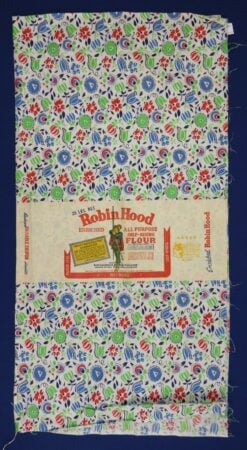
The thrifty farm wife quickly discovered that this cotton bag was a great source of utilitarian fabric to be used for dish cloths, diapers, nightgowns and other household uses. Manufacturers decided to take advantage of this and started offering sacks in various prints and solid colors as a marketing ploy encouraging brand loyalty and repeat purchases.
Decorative and dress-quality feedsacks appeared in the 1920s, but colorful printed sacks became much more widespread in the late 1930s and reached peak popularity during World War II. It would take three identical sacks to make a dress, for example, and the farmer just might be induced to buy more that way.
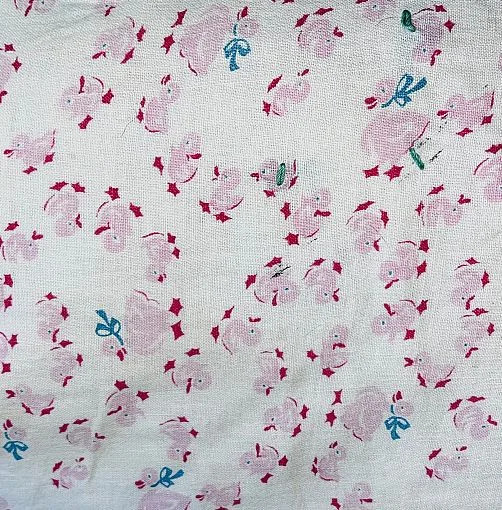
Some companies printed coordinated floral collections so women could match fabrics from one sack to another. Storekeepers sometimes saved matching sacks for loyal customers who needed enough fabric to complete a dress or quilt.
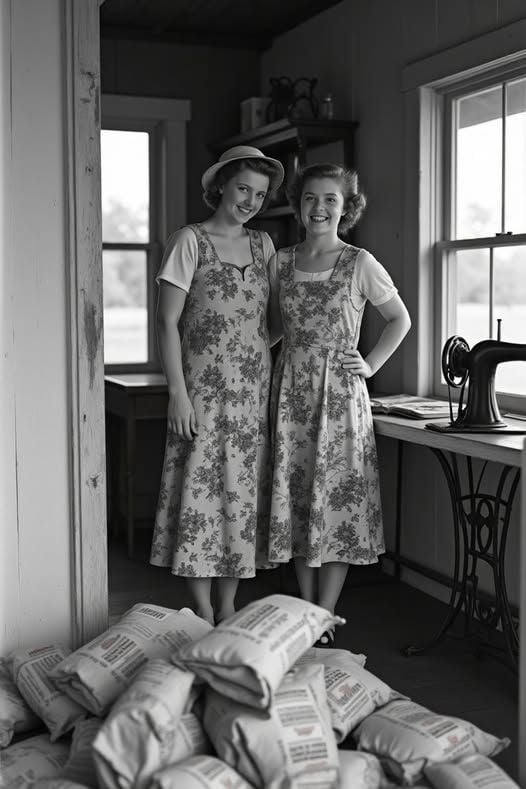
Feed sacks became especially important during the Great Depression, when families could not afford to waste usable fabric. Rural women carefully washed, bleached, and reused the cotton sacks to make clothing and household items. Some manufacturers even used washable ink so the logos could be removed more easily.
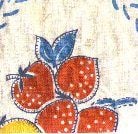
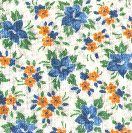
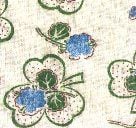
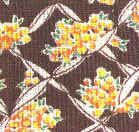
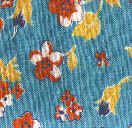
Feedsacks became extremely common because farm families regularly purchased flour, sugar, feed, seed, and other staples packaged this way. Flour accounted for more than 42 percent of the feedsack market. Sugar was next with 17 percent followed by feed, seeds, rice, and fertilizer. These feedsacks came in different sizes, and the quality of the cloth varied with the item it carried. Sugar sacks, for example, were much finer in weave. By 1914, sacks came in 10, 6, 4, 3, 2 and 1 pound sizes, although these sizes varied by manufacturer. In 1937, federal regulations during the Roosevelt administration helped standardize sack sizes. A 50 pound feedsack measured 34 x 38 inches. A 100 pound sack measured 39 x 46.
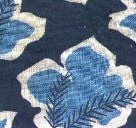
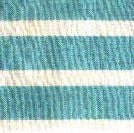
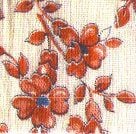
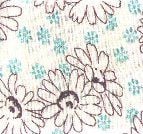
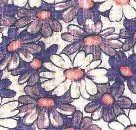
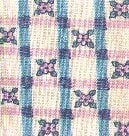
Magazines and pattern companies began to take notice of feedsack popularity and published patterns to take advantage of the feedsack prints. Matching fabric and even matching wrapping paper was available, too. Directions were given for using the strings from feedsacks in knitting and crocheting. By 1942, published research estimated that three million women and children of all income levels were wearing printed feedsack garments.
Feedsacks were used to make:
- Clothes
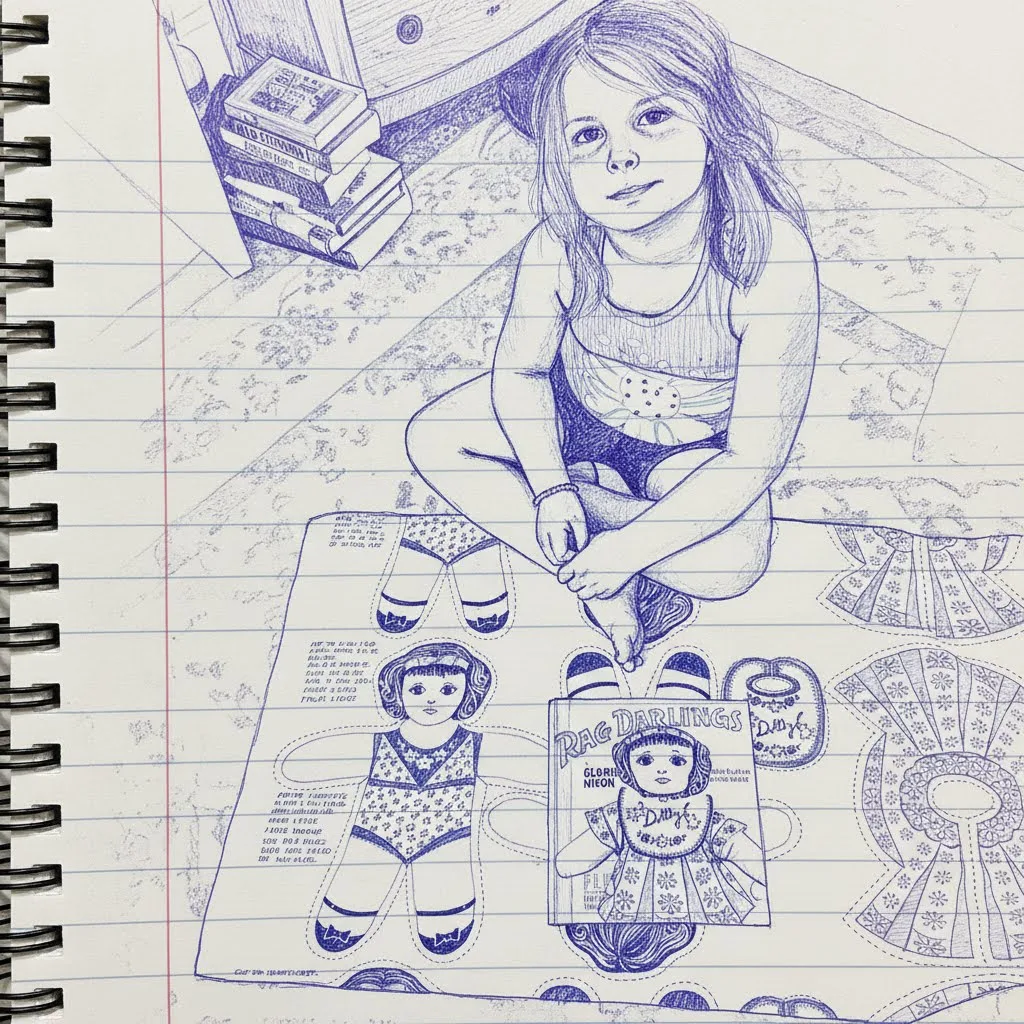
- Toys (see picture below)
- Underwear
- Pillowcases
- Diapers
- Laundry bags
- Curtains
- Table cloths
- Towels, dish cloths
Feedsacks in Quilts
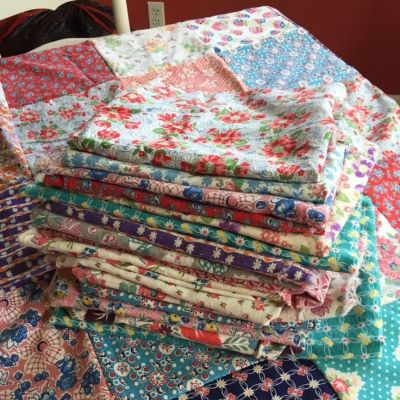
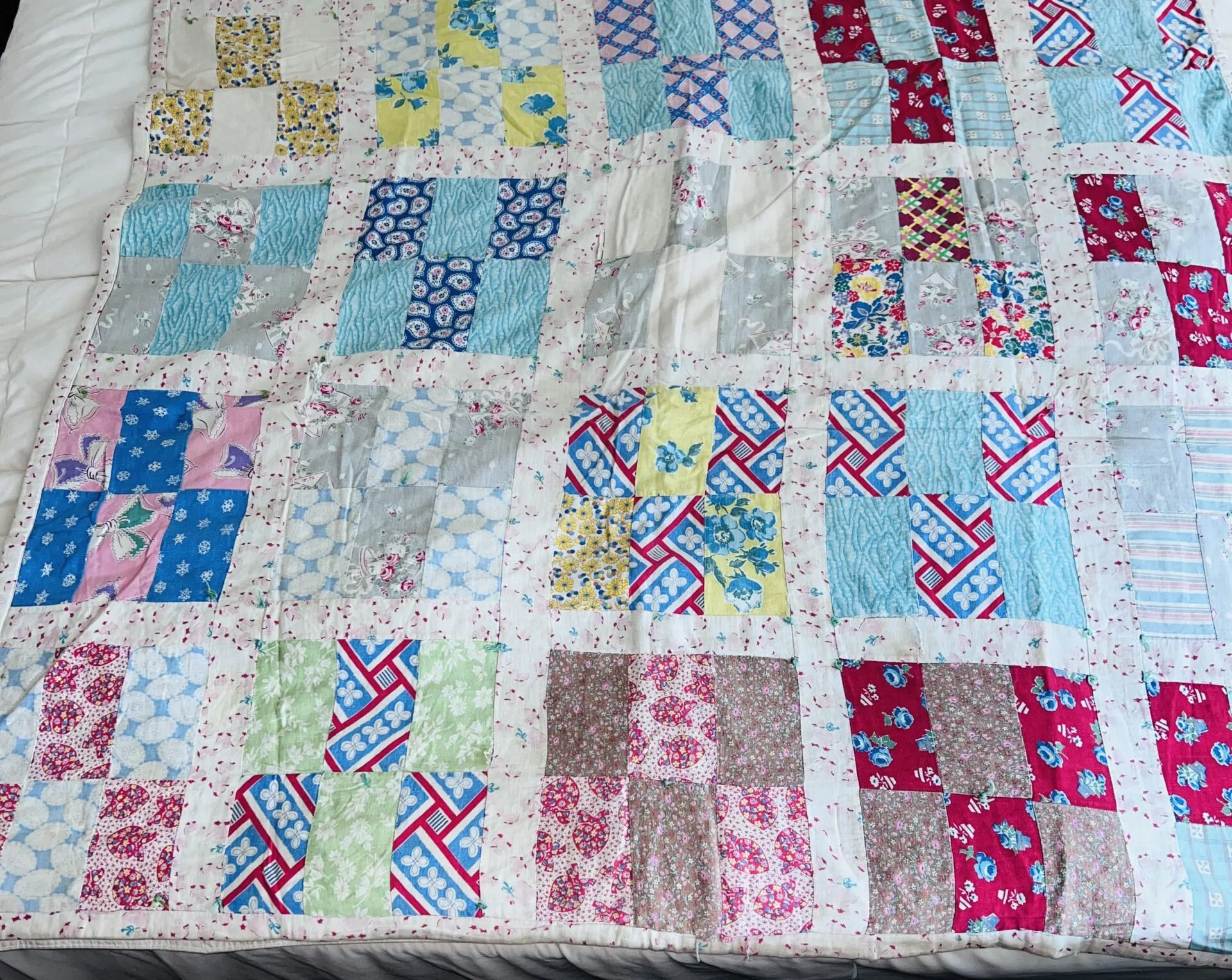
And, of course, quilts! Feed sacks were a popular source of quilt fabric. Today, many Depression-era quilts can be identified by their distinctive feedsack prints and coordinated floral designs. Quilters especially value feedsacks because they became an important source of quilt fabric during the 1930s and 1940s. Many Depression-era quilts contain recognizable feedsack prints, and experienced collectors can often identify particular manufacturers or time periods by the fabric patterns alone. The soft, lightweight cotton was easy to sew and came in hundreds of designs, making it ideal for scrap quilts and appliqué work. Antique quilts made from feedsacks provide a colorful record of rural American life during difficult economic times.
Novelty Prints
Manufacturers began to compete with each other to provide attractive, useful bags. Some bags came ready for sewing with pre printed patterns for dolls or aprons. Others were specifically printed for pillow cases or curtains. Some sacks were printed as a series such as the 1935 Sea Island sugar doll series.
Many sacks had themes. Some of the more collectible sacks now are those with Walt Disney themes (Davy Crockett, Cinderella, Alice in Wonderland, Donald Duck, Mickey Mouse, Goofy), movie themes (Gone with the wind), adventure and comic-strip themes (Buck Rogers) or nursery rhyme themes (BoPeep, Humpty Dumpty)
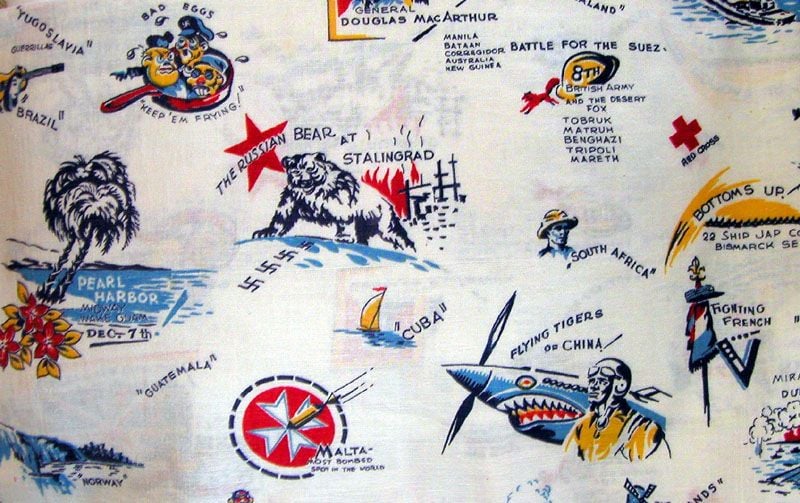
By 1941 there were 31 textile mills that manufactured bag goods. Bemis Brothers of Tennessee and Fulton Bag & Cotton Mills of Atlanta operated their own textile mills. Percy Kent Mills produced the famous WWII-era “Kent’s Cloth of the United Nations-233,” a patriotic feedsack print featuring Allied nations, wartime scenes, slogans, and caricatures of Axis leaders.
After WWII, technological innovations provided more sanitary and effective packaging made of heavy paper and plastic containers. It was cost effective, too. A cotton bag cost 32 cents to make, as opposed to 10 cents for the paper bag. By 1948 this new industry cornered more than half of the bag market and the cloth bag fell out of use. But not entirely! Some Amish and Mennonite communities demand, and receive, their goods in feedsacks.
The Lasting Appeal of Feedsacks
Collectors still love feedsack fabrics because they capture a unique moment in American history when practicality, creativity, and survival all came together. Each surviving feedsack tells a story about thrift, ingenuity, and daily life on American farms. For many collectors, the fabric represents memories passed down from mothers and grandmothers who carefully washed, ironed, and reused every scrap. Feedsack fabrics are also prized for their cheerful prints and charming designs. Reproduction feedsack prints are also popular with modern quilters who love the nostalgic look of 1930s fabrics. Even now, those bright little prints still have a way of making people smile. Not bad for something that once held chicken feed.
Learn More:
Feedsack Fashions in the First Half of the 20th Century
Feedsacks During and After WWII
Feed Sacks: The Colourful History of a Frugal Fabric by Linzee Kull McCray
