Top Ten Titles for the Study of Antique Quilts – The Sequel
Ask ten quilt historians to recommend the most important books on quilt history, and you’ll probably get ten different answers. That is exactly what happened when the original survey was conducted on the Quilt History List in 2001. The participants included some of the most respected quilt scholars of their day, and while a handful of classic titles appeared on nearly every list, each historian brought a different perspective to the study of quilts.
More than twenty years later, many of those recommendations remain essential reading. Books by Barbara Brackman, Patsy and Myron Orlofsky, Ruth Finley, and other pioneering researchers still deserve a place on every quilt history bookshelf. However, today’s researchers have access to something many of those scholars could only dream about in 2001: vast digital collections containing thousands of quilts, historic newspapers, family records, museum collections, photographs, and primary source documents.
This updated list is a companion to the original Top Ten Titles from 2001. Most of the classic books still belong on the list, but some of the most important additions aren’t books at all. They are digital archives and research tools that have transformed the way we study, document, identify, and preserve quilt history. These resources belong in every modern quilt historian’s toolbox. If you know of any that I have missed, please get in touch! I will add them.
If I Had to Pick The Top Ten Books Now
- Always There – Benberry
- American Quilts and Folk Art
- American Cotton – Brackman
- Clues in the Calico – Brackman
- Dating Fabrics: A Color Guide
- Hidden in Plain View
- Printed Textiles in America – Montgomery
- The American Quilt by Roderick Kiracofe (2004)
- Uncoverings (complete set from AQSG)
- Your State Documentation Book
Digital Resources That Didn’t Exist in 2001
These aren’t books, but they belong in a modern researcher’s toolkit:
- The Quilt Index contains tens of thousands of documented quilts from state quilt projects, museums, private collections, and research organizations.
- American Quilt Study Group. If a topic has been seriously researched in the last 40 years, AQSG probably published something about it.
- International Quilt Museum. Many quilts are photographed in far greater detail than older books ever allowed. You might also find provenance and research notes about each quilt.
- The Smithsonian. Again, many historic quilts can now be examined online in far greater detail than was possible when many classic quilt books were written.
- Library of Congress digital collections. Here you will find historic newspapers; family photographs; diaries; letters; WPA interviews; early pattern publications and textile photographs.
- The Winterthur Museum. Very helpful for fabric identification, textile history, and decorative arts context.
- Ebay and Etsy. For identification purposes, not values. You can often find examples of rare pattern names, regional styles, kit quilts, and depression-era textiles. Antique dealers often provide photographs of details that are hard to find elsewhere.
Historic Newspaper Databases
Pattern names often appeared in newspapers decades before they appeared in quilt books. I’ve used old newspaper databases many times to track down when a pattern name first appeared. Consider:
- Newspapers.com
- Chronicling America (free)
- Google Books has 19th-century ladies’ magazines; agricultural journals; needlework publications; and household manuals. I’ve found original references to quilting terms there that were nearly impossible to locate twenty years ago.
Census Records
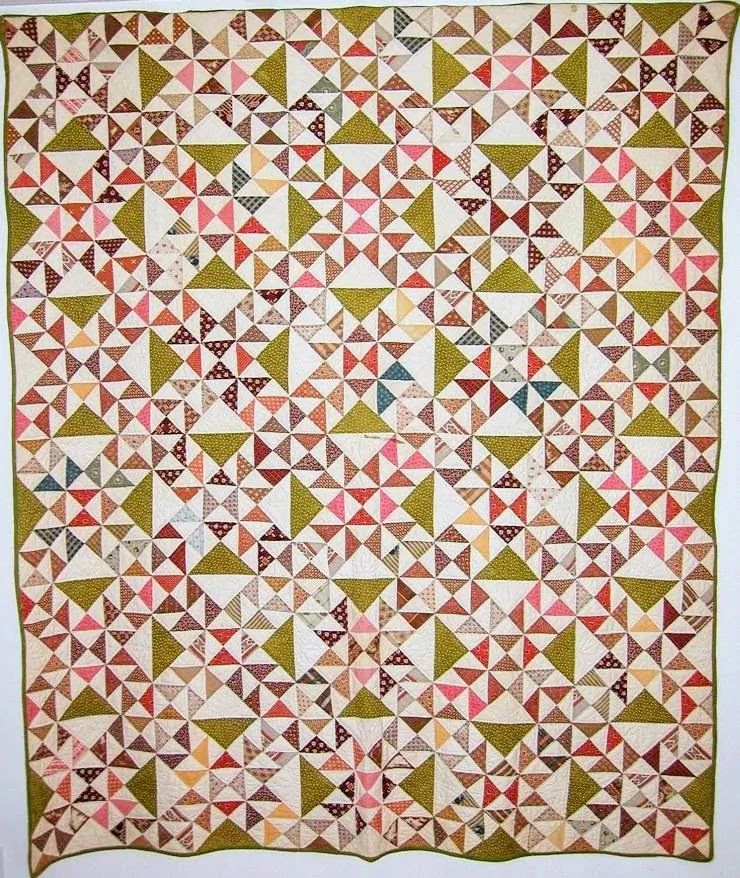
If you are researching a signature quilt, or just a family story about a quilt, these sites can help. Many “Grandma made this quilt in 1840” stories collapse quickly when Grandma wasn’t born until 1868. These sources can help you verify quiltmaker identities, confirm dates, and connect signatures on friendship quilts. I used all of these when researching the quilt below.
- Ancestry
- FamilySearch
- Find A Grave
- Military Records