Telltale Textiles: Bias Tape Applique
Every quilt carries clues about when it was made, if you know where to look. Telltale Textiles is an ongoing series digging into the fabrics, dyes, prints, and construction details that help pin down a quilt’s age. This entry: Bias Tape Applique, a 1930’s fad.
If you’ve ever pulled a quilt out of a closet and found bold, ribbon-like lines of colored tape making a tulip, a butterfly grid, or a swooping vine, you’ve found a bias tape quilt. It’s one of the easiest construction clues to spot, and it points to a pretty specific window of time. Like all our Telltale Textiles clues, treat it as a strong hint rather than a firm date. Pair it with your fabrics, thread, and stitching, and you’ll get a much tighter range than the tape alone can give you.
What Bias Tape Applique Quilts Actually Are
Bias tape is a narrow strip of fabric cut at a 45 degree angle to the weave instead of straight along it. That angled cut gives it stretch, so it can curve smoothly around a petal or a stem without puckering or needing to be clipped. Manufacturers folded the raw edges under and sold it ready to stitch, in every color a quilter could want. It was designed as bias binding, but it makes a great accent for clothing, quilts, and home dec.
Quilters used it two ways, and it’s worth knowing the difference:
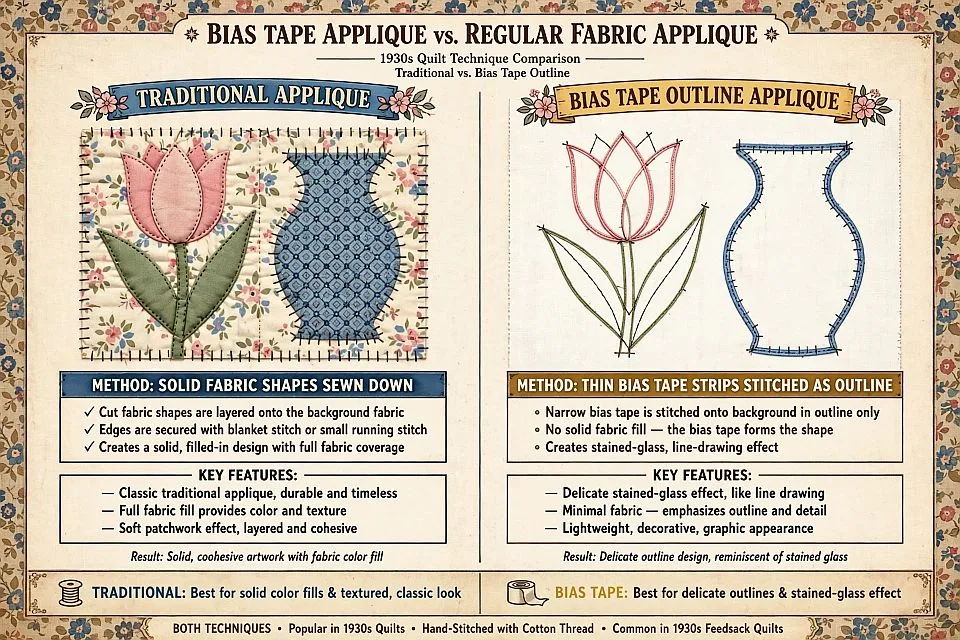
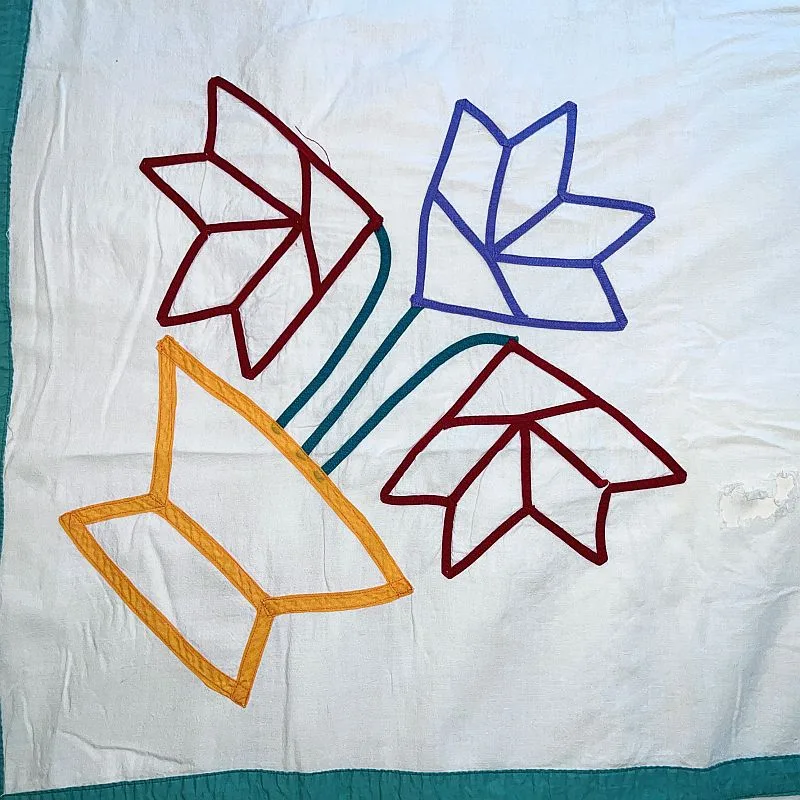
Bias tape as the applique itself. Instead of cutting a solid tulip shape from fabric and turning under the edges, the maker top-stitched folded tape right onto the background in the outline of the flower. No solid shapes at all, just colored lines on white or cream muslin. This is sometimes called outline applique or taped outline, and it gives that bold, coloring-book, stained-glass look.
Bias tape as sashing or a grid. Here the tape isn’t the picture, it’s the structure. Instead of piecing sashing strips between blocks, the maker top-stitched a long length of tape right over the seams, or used it to lay out a grid for a set of small applique motifs.
Most quilt databases lump anything with bias tape into one bucket, but the two uses come from the same commercial product and the same decorative impulse: a fast, modern-looking line where a traditional quilter would have pieced or hand-appliqued a solid shape.
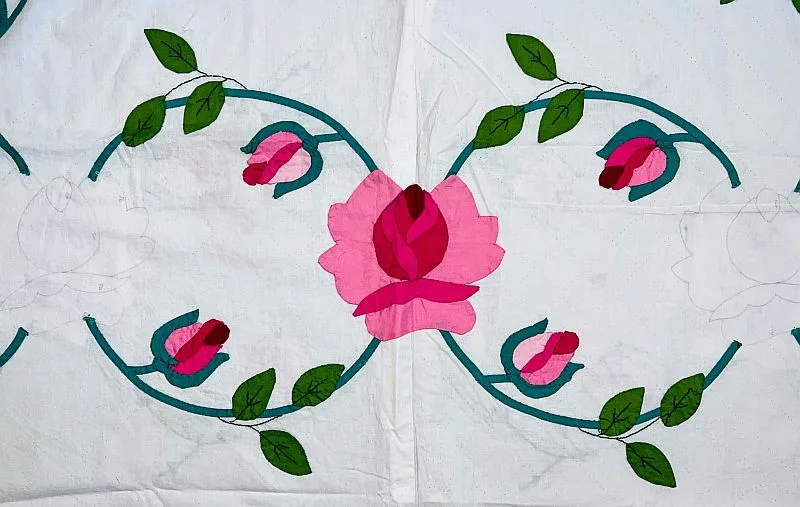
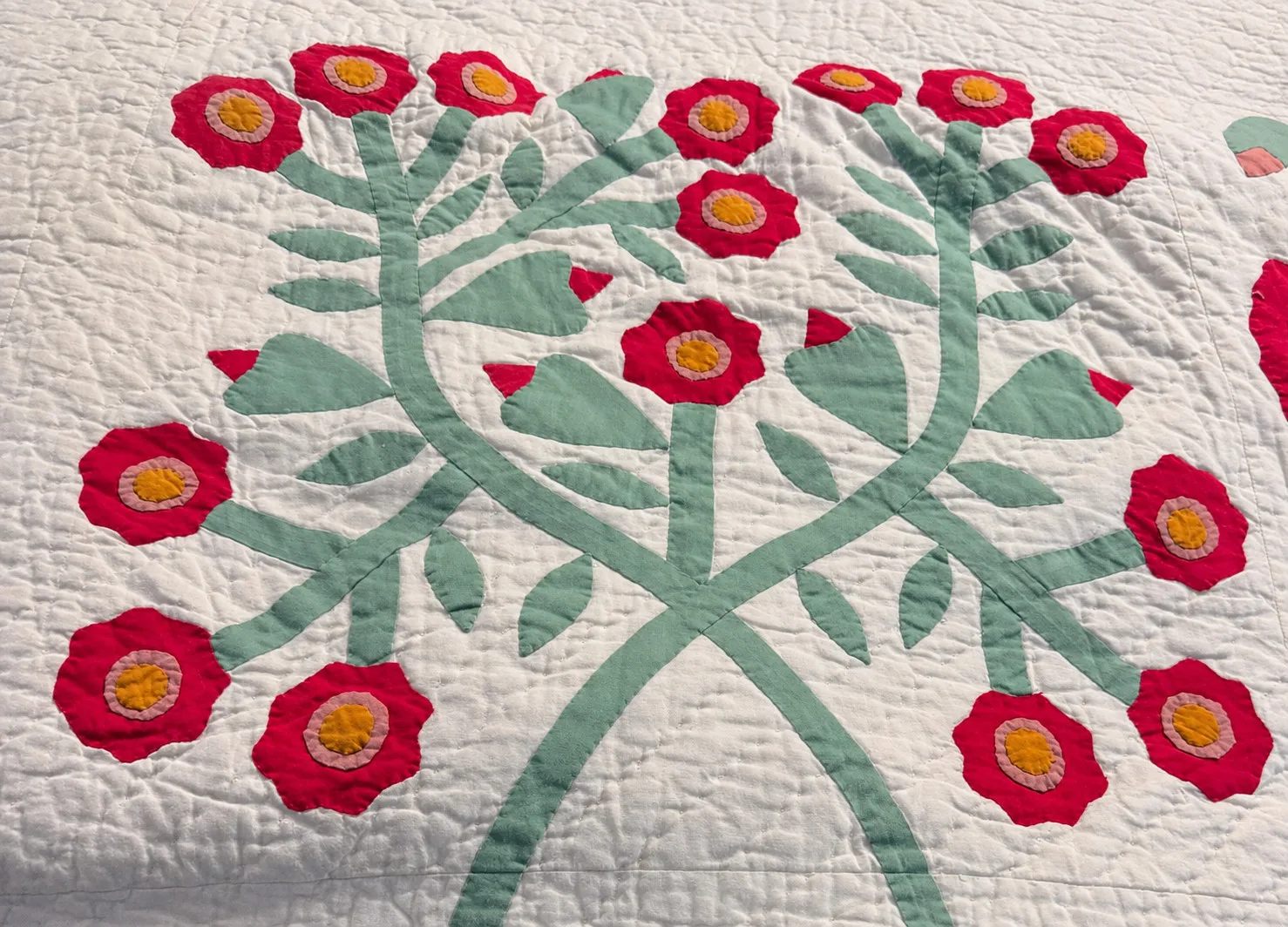
The two images below show bias tape being used as flower stems. I’m not sure I would call that strictly bias tape applique as there are other applique shapes not made from bias tape. It is interesting to see the various ways bias tape can be used to accent quilt blocks.
A Tale of Two Quilts
These two quilts from my own collection show both uses side by side.
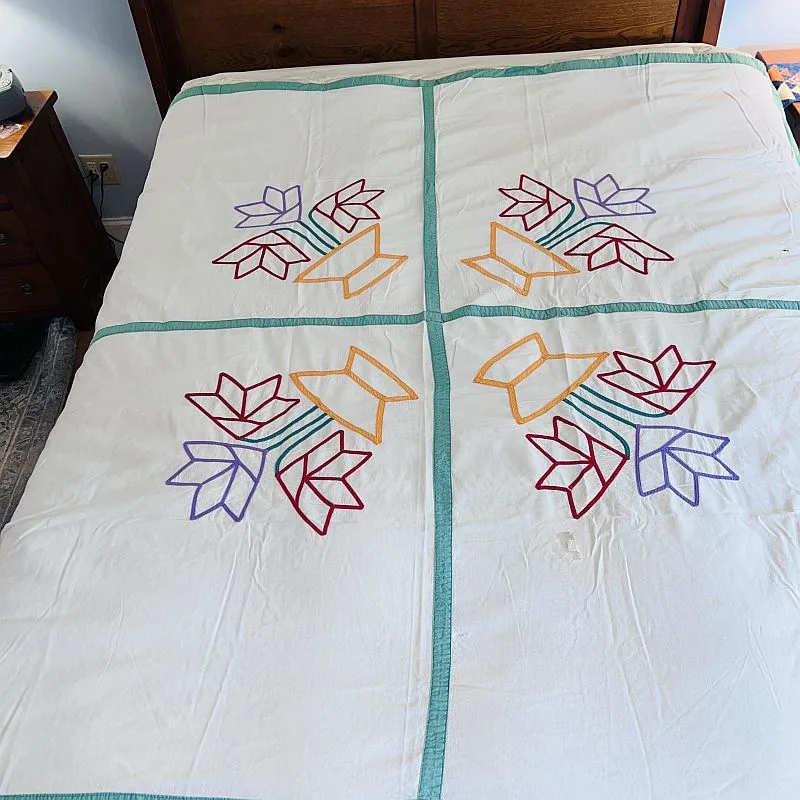
The first is a four-block tulip quilt. Each block holds three faceted tulips in an angular vase, worked entirely in tape: no fabric shapes at all, just red, purple, and gold tape stitched into sharp, geometric petals, with a teal green tape stem and matching sashing between the blocks. That’s the pure form of the technique, and it’s the rarer one to find today, since most surviving quilts mix the tape with solid fabric shapes.
The second is a butterfly quilt. Here the tape does a different job. Bright yellow bias tape forms a grid of squares across the whole top, and a scrappy feedsack butterfly sits appliqued in each square, blanket-stitched down with hand-embroidered antennae. The mix of small florals, ginghams, and dots in the butterfly wings is its own dating clue, since those prints are classic 1930s feedsack cottons.
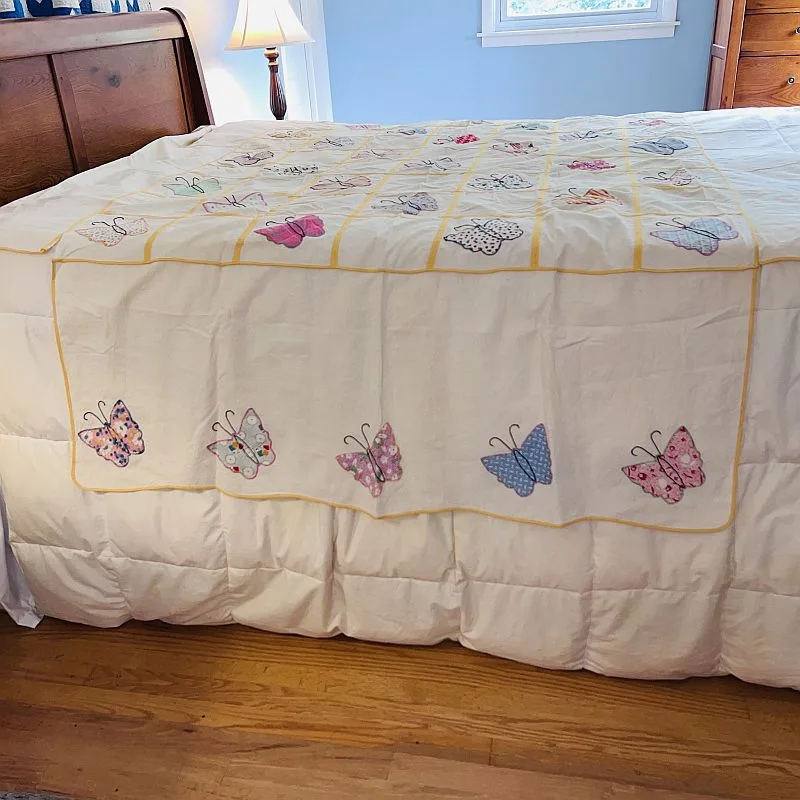
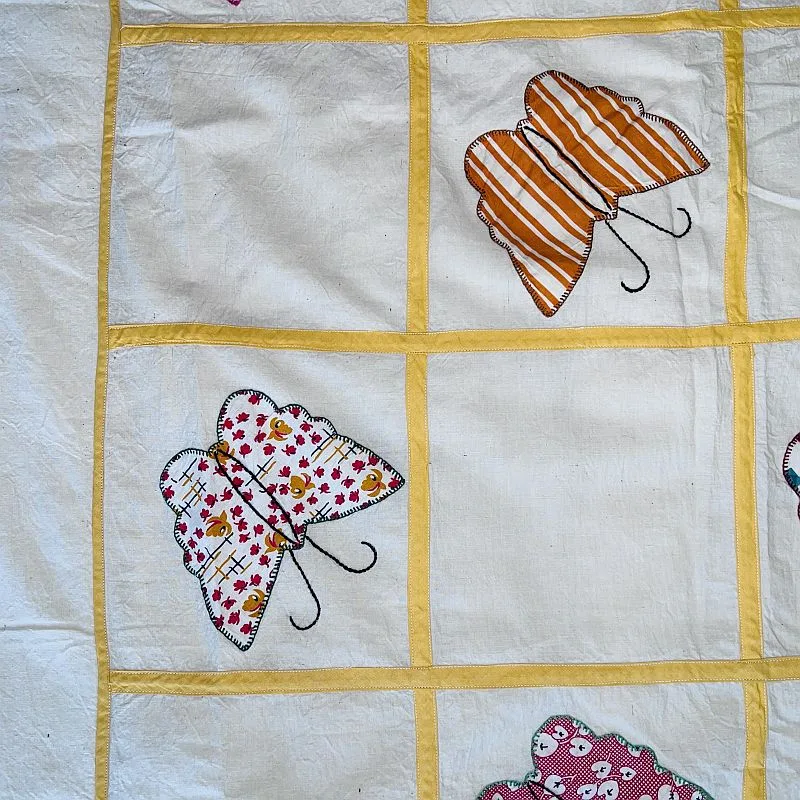
Together they’re a good demonstration of the fad from both angles: one where the tape draws the picture, and one where it builds the frame around a picture made of scraps.
Why the 1930s
Bias tape applique quilts sit squarely in the broader quilt revival of the 1920s through the 1950s, but the tape fad itself was tighter, with its biggest years falling in the early to mid 1930s. A few things lined up at once to make that happen.
A ready-made product looking for a market. Companies including Wm. E. Wright & Sons of Orange, New Jersey had been manufacturing folded, colorfast bias tape since before the First World War, mostly for garment sewing. Wright’s put out seasonal how-to booklets showing new uses for the tape, and a 1929 booklet already included quilt patterns among its projects, right alongside the garment and home decor ideas. So by the very start of the decade, the company was actively pitching bias tape for quiltmaking, not just clothing seams.
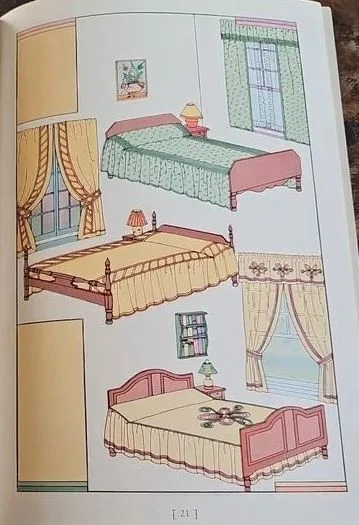
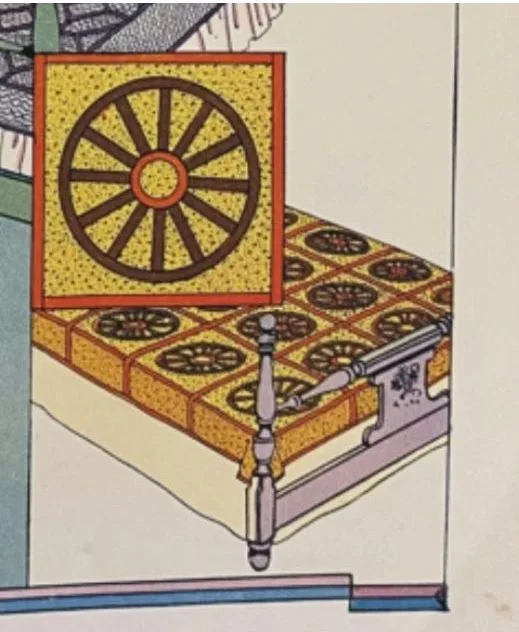
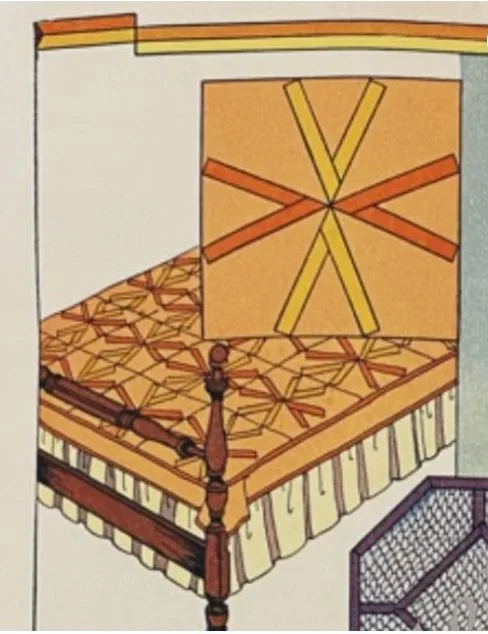
Newspaper and magazine pattern culture. The 1920s and 30s were the golden age of the syndicated quilt pattern column. Magazines and newspapers ran a steady stream of block and applique patterns, and companies sold matching kits with the fabric already stamped for stitching. A bold, graphic bias tape design was an easy pattern to print small in a newspaper column and still read clearly.
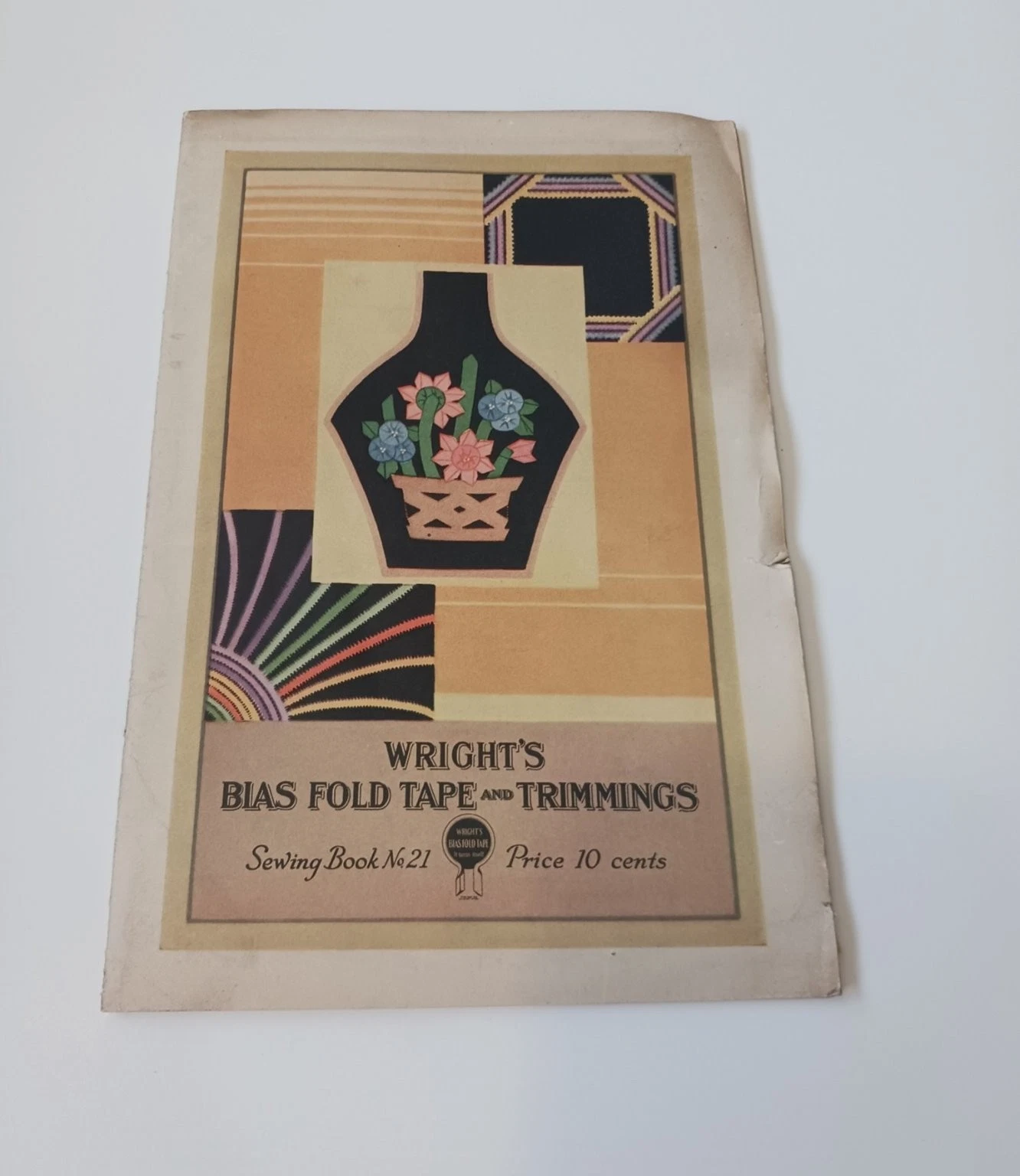
Art Deco taste. The clean, geometric outlines you get from bias tape work fit right in with the Art Deco look that was showing up everywhere in the early 1930s, from architecture to home goods. A tulip made of a few straight tape lines read as modern and fashionable in a way that fussier traditional applique didn’t.
Depression economics. You didn’t need many yards of fabric. A white sheet or a few yards of muslin plus several packages of colored tape at a few cents each was enough for a whole top. No templates to trace and no small curves to turn under by hand, which made it a fast, forgiving project for a beginner.
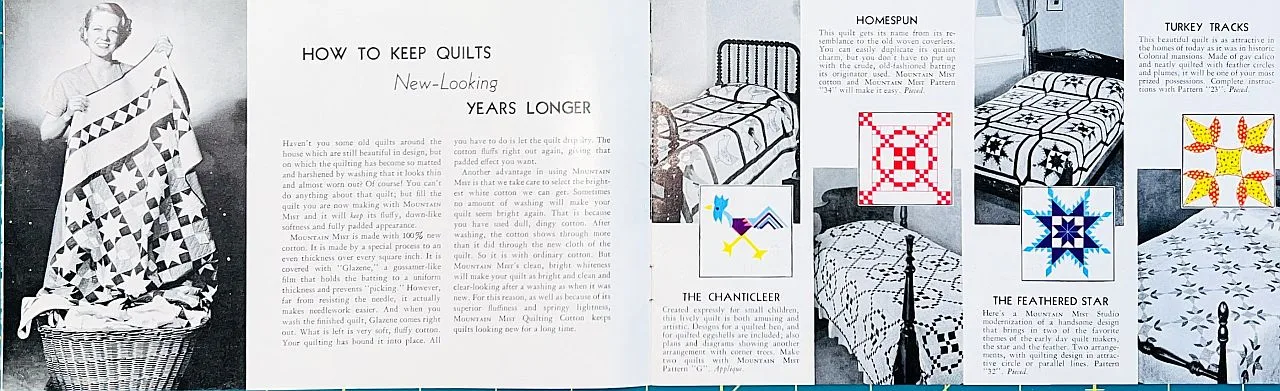
Batting companies were part of the same wave. Starting in 1929, the Stearns & Foster Company began printing a free quilt pattern inside every wrapper of Mountain Mist batting, a marketing move that helped drive quiltmaking’s revival through the 1930s and 40s. Their pattern library leaned heavily on botanical and floral motifs, which is the same visual world bias tape applique was working in. Here’s an image of a Mountain Mist catalog from the Batting article. Notice the bias tape project “The Chanticleer” on the right hand side. [OK, I had to look it up. A chanticleer is a proud, clever rooster.]
Dating and Care Notes
If you’re looking at a quilt with this construction, here’s what narrows the range:
- Fabric prints. Small scale florals and novelty feedsack prints point to the 1930s. Reproduction prints from later revivals tend to look cleaner and more uniform.
- Stitching. Hand applique with small, slightly uneven stitches along the tape edges is typical of the original era. Long, even machine stitching along both edges of the tape is common too, since bias tape was often top-stitched by machine even in the 30s.
- Background fabric. A heavier, looser weave muslin is more typical of the period than the finer, tighter weave cotton used in later reproductions. You can see that in both of my quilts.
- Color palette. Turkey red, purple, canary yellow, and jade or teal green tape on a white or cream ground is about as classic 1930s as it gets.
For care, treat a tape quilt from this era gently. Cold soak with no agitation and flat drying is the safest route. The tape itself tends to hold up well, but the background muslin is usually the weak point, and small holes or fraying like the ones in my tulip quilt are common.
The Legacy
By the late 1930s, better color printing on cotton meant quilters could get printed floral fabric instead of relying on an outline to suggest the shape, and taste shifted toward pastel favorites like Grandmother’s Flower Garden and Double Wedding Ring. Wartime fabric restrictions in the early 1940s put an end to the kit and pattern market that had driven the fad.
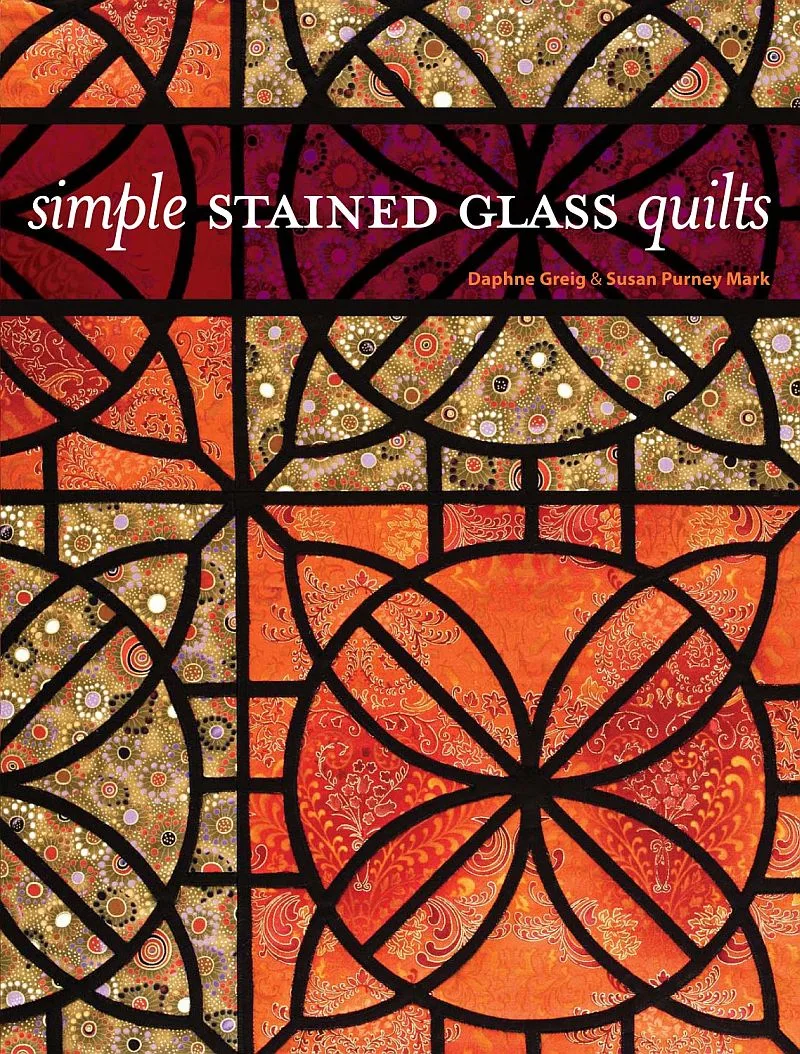
The technique itself never really disappeared, though. It came back decades later as the “stained glass quilt,” usually worked in black bias tape or bias strips around bright fabric shapes to mimic leaded glass. If you’ve made or seen a stained glass quilt, you’ve made a direct descendant of what quilters were doing with a spool of five cent tape from the dime store ninety years ago.
Have a bias tape applique quilt of your own? I’d love to see it. My address is on the about page.
