The Secrets Hidden in Your Vintage Quilt Blocks
Have you found a box of old quilt blocks and wondered where to start? Maybe they came from an estate sale, a relative’s attic, or a garage sale bin nobody else wanted. Before you decide what to do with them, it helps to know when they were made. Quilt styles changed over time, and those changes left clues in the fabric, the colors, and the way the blocks were pieced.
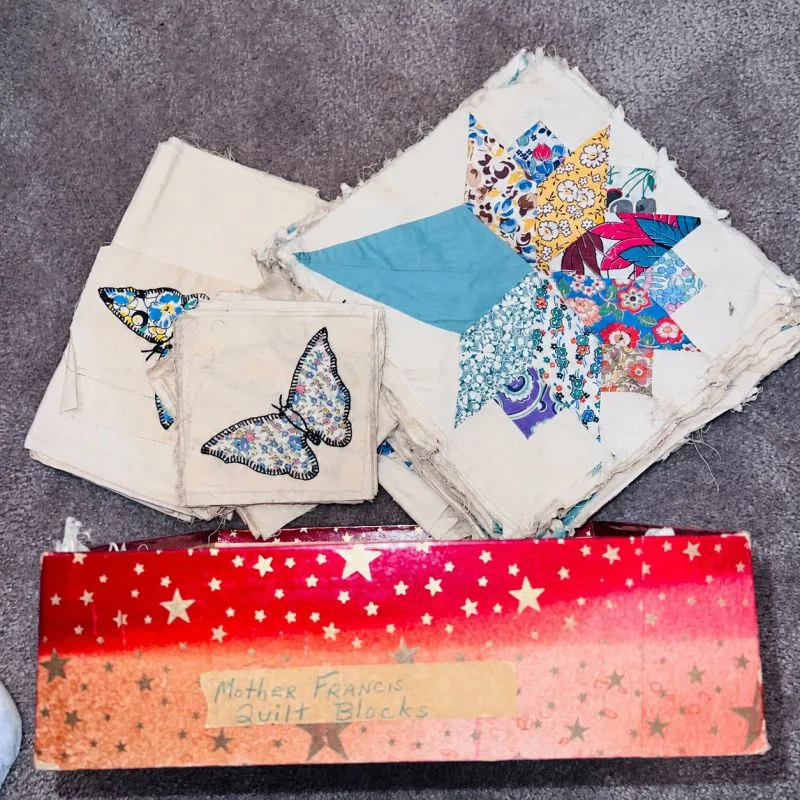
Keep in mind that quilting styles overlapped. There was rarely a clean line where everyone stopped doing one thing and started another. Think of these as general trends, not hard rules.
The Early 1800s
If your blocks look like they could be this old, you’re likely looking at simple piecing and a limited color palette. Red and green together was a favorite combination in this era, although neither color was likely to be colorfast unless the fabric was imported. Quilters might have finished their quilts with a woven tape or fringe instead of the fabric binding we use today. Here are some blocks from an 1830’s quilt.
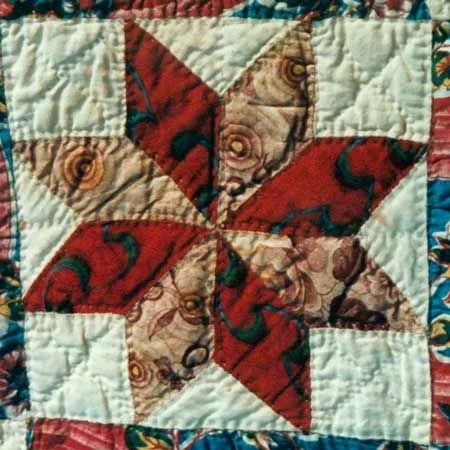
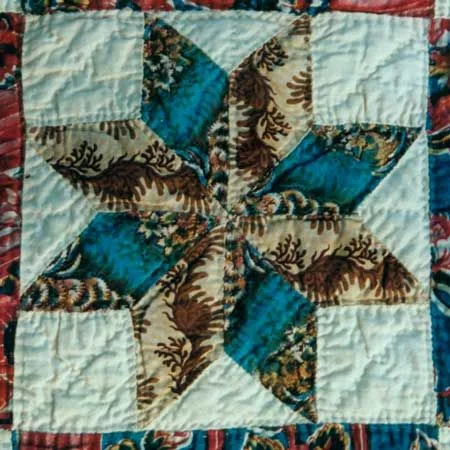
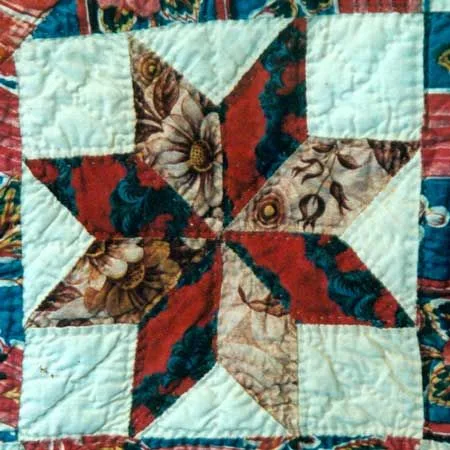
Patterns traveled slowly and personally back then. A quilter might share a pattern by piecing a sample block from her own scrap basket and mailing it to a friend or relative. Those blocks weren’t just patterns, they were also a small window into the maker’s life, made from the same fabric as her family’s clothes and current projects. So if you’ve inherited a box of blocks with no name attached, don’t assume they’re orphans. They may be a box of memories that simply outlived the story that came with them.
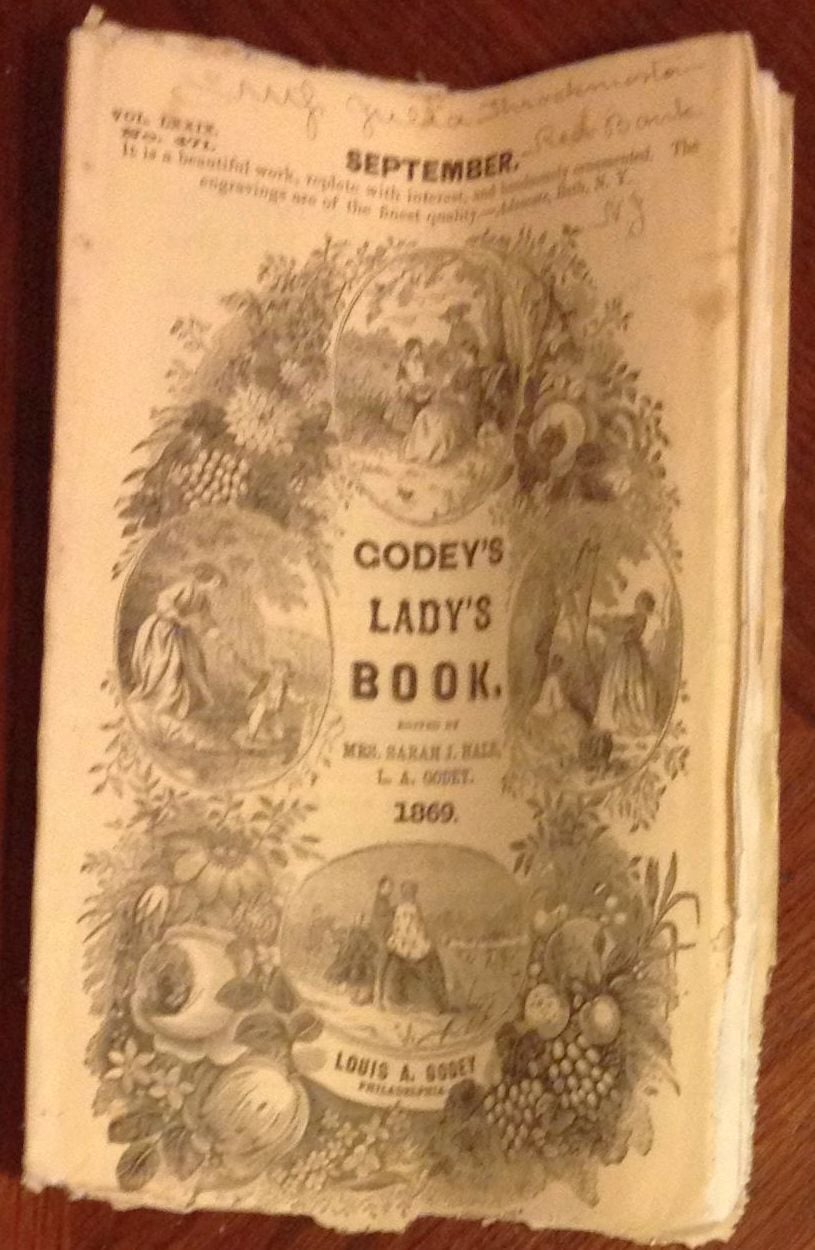
In 1835, Godey’s Lady’s Book began publishing regular articles on fashion and needlework, and it became a treasured source of ideas for rural households. The magazine pushed for more refined English-style patchwork and silk fabrics, but American quilters largely stuck with the simpler, sturdier patterns their friends and family were already using.
After the Civil War
Fabric shortages during the war meant quilts made in this period were often pieced from whatever was on hand: dress scraps, homespun, even a soldier’s old uniform. These were practical quilts, made quickly and tied rather than quilted, meant to provide warmth for families rebuilding their lives.
By the time of the nation’s centennial in 1876, quilting shifted back toward beauty and celebration. The 1876 World’s Fair in Philadelphia brought design influences from around the globe, and crazy quilts became the fashionable result. Made from velvets, silks, and brocades, and sometimes stitched from dress silks, wedding gowns, or even cigar bands, these quilts were meant to be shown off in the parlor, not used on the bed. Many included embroidered verses or notes marking family events, almost like a stitched scrapbook.
If you have crazy quilt blocks that seem unfinished, that may be intentional. Many crazy quilts of this era were never meant to have batting or a backing. The process of making them, piecing together all those fancy scraps, was the point.
Redwork embroidery also became popular in the late 1870s: simple designs stitched in red thread on a white background, often flowers, animals, nursery rhyme characters, or historical scenes. If you have a set of redwork blocks, they can be set straight, on point, around a medallion, or with sashing.
The 20th Century
By 1890, mail-order catalogs were selling quilt patterns alongside yard goods, sometimes as many as 800 designs for a dime. Magazines soon began publishing patterns too, and some added reader columns where quilters shared favorites or original designs of their own. Newspapers got in on it as well, offering patterns to attract subscribers, often with a suggested layout and even some appliqué designs.
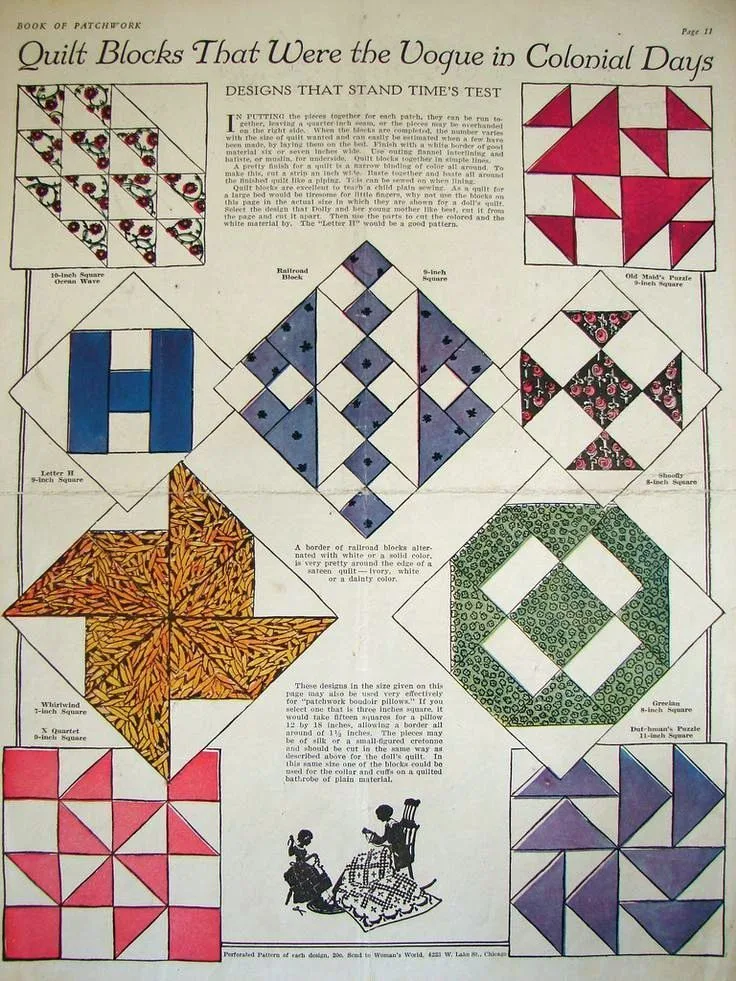
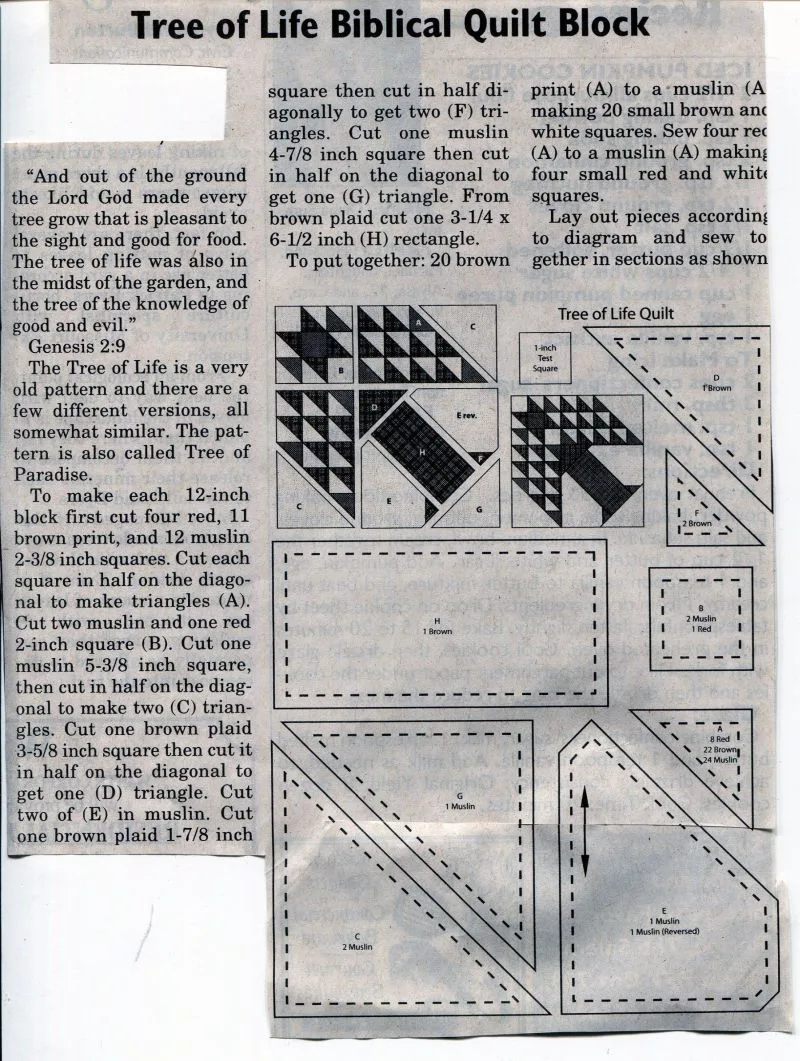
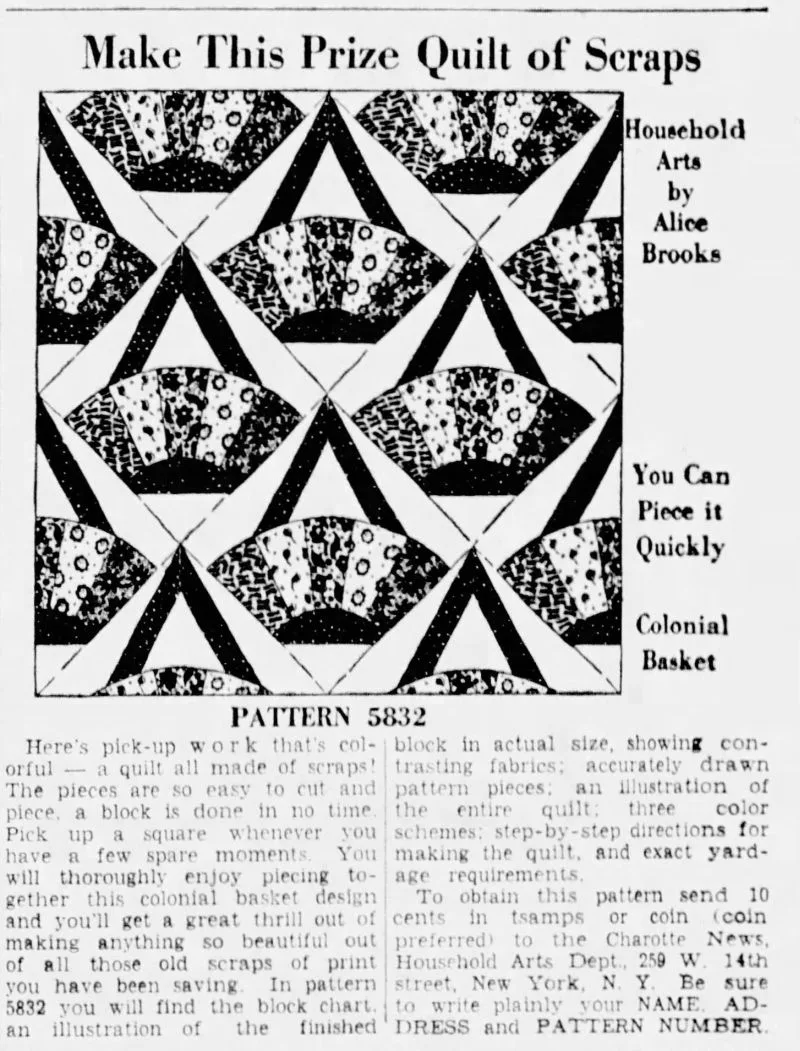
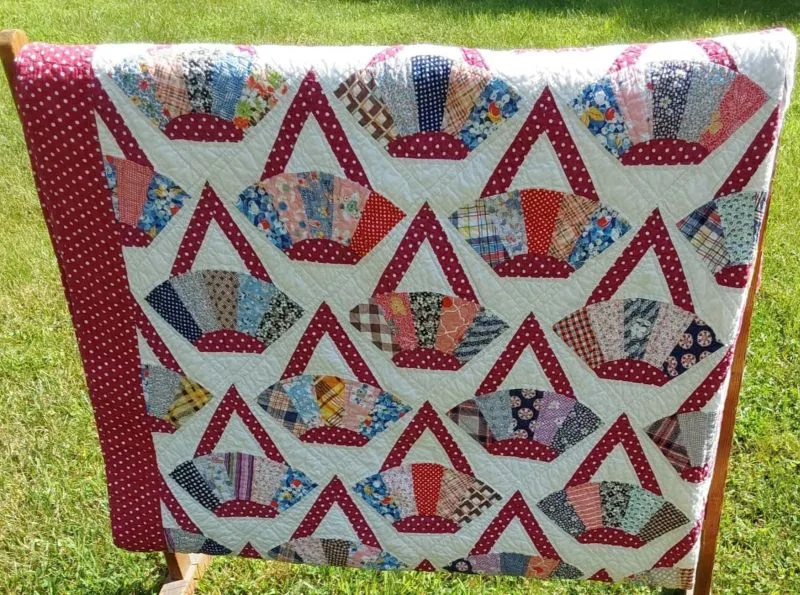
The mid-1920s brought a real shift in color and style. Pastels and bright novelty prints replaced the deeper tones of earlier decades, a cheerful contrast to the economic hardship many families were living through.
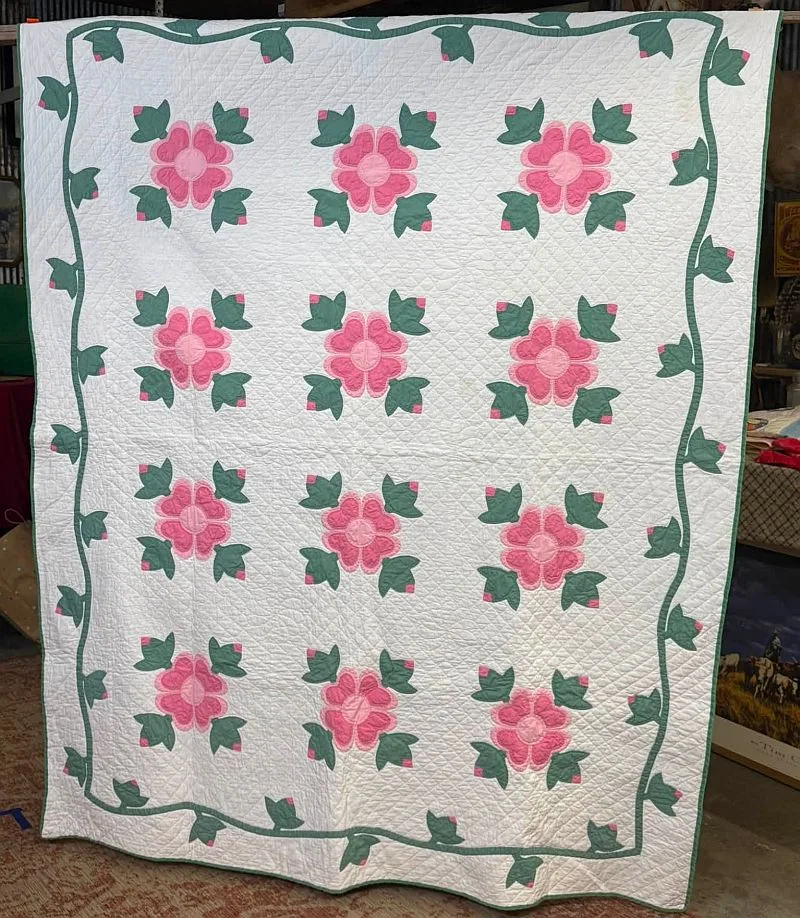
Kit quilts became especially popular in the 1930s. If your blocks are from this decade, you’re in good company: Double Wedding Ring, Dresden Plate, Grandmother’s Flower Garden, floral appliqué, and Sunbonnet Sue were everywhere. Pre-stamped blocks with embroidery motifs were common too, and nearly any block set works for this era. Setting the blocks on point with a simple border is often a safe, attractive choice.
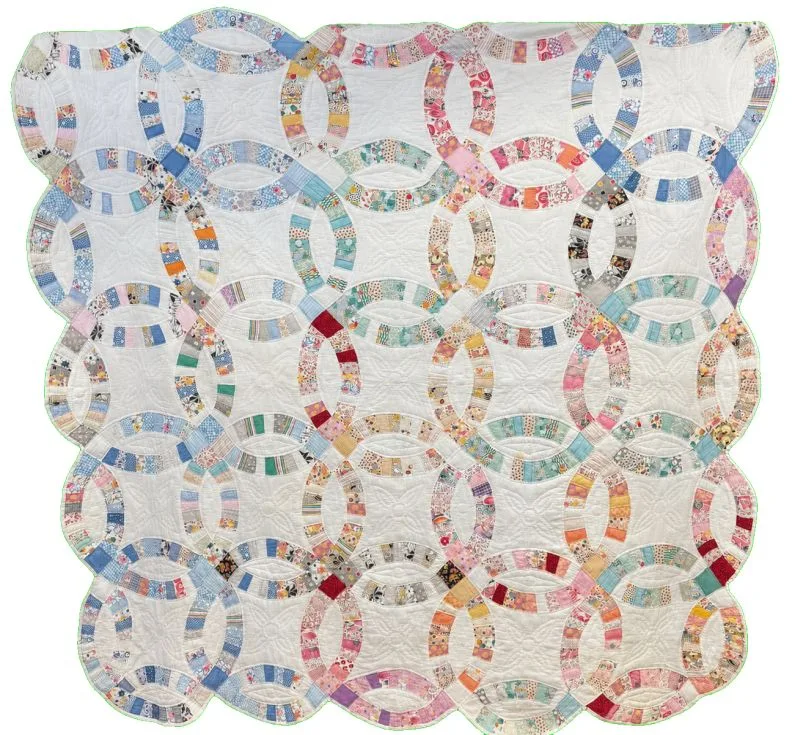
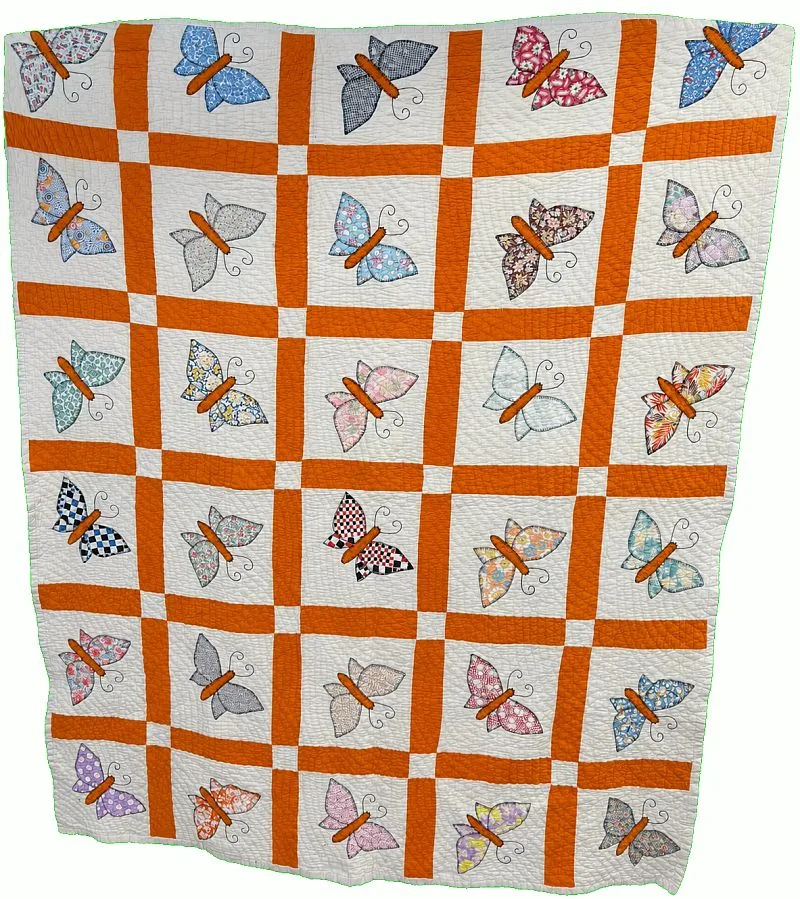
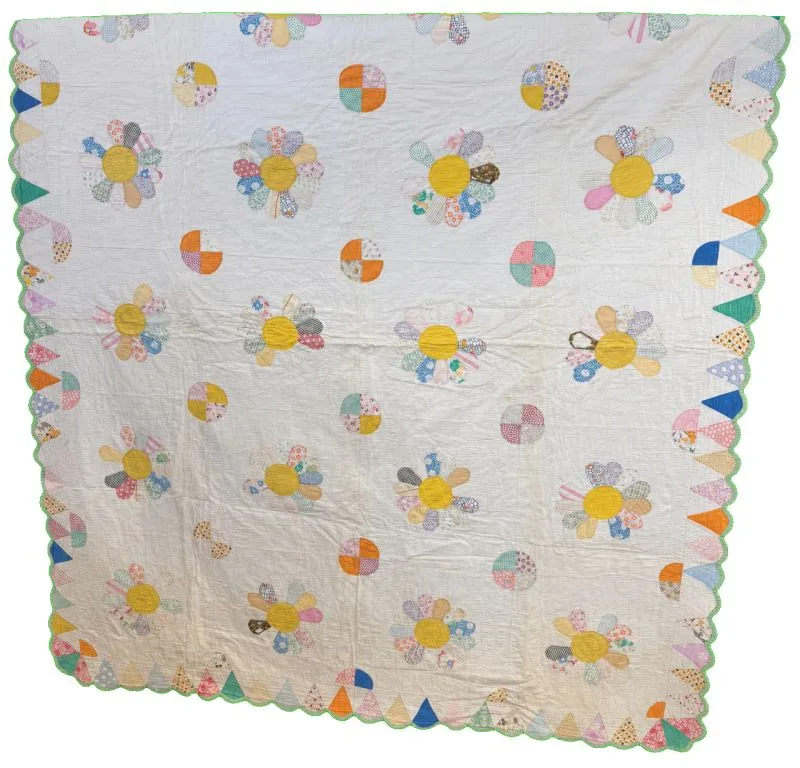
During World War II, fabric grew scarce again, and quilters got resourceful, much as they had after the Civil War. Feed and grain companies capitalized on this by packaging their products in printed cotton sacks instead of plain ones. It took three feedsacks to make a woman’s dress, so shoppers were sometimes sent to the store with specific instructions on colors and quantities to buy. These bags (sometimes called feedbags, textile bags, or “chicken linen”) carried flour, sugar, seed, and animal feed, and once emptied, the fabric was recycled into clothing, quilts, and household items.
Interest in handmade quilts faded after the war, as women entered the workforce and store-bought bedding became affordable and preferred. It wasn’t until the Bicentennial in the late 1970s that quilting saw a real revival, driven by a renewed interest in American history and tradition.
Why This Matters for Your Blocks
Knowing roughly when your blocks were made can help you decide how to care for them, what kind of setting fits the era, and whether they deserve a spot on the wall instead of the back of a closet. If you’re ready to bring your blocks back to life, our Care & Preservation guides can help you handle them safely before you decide on their next chapter.
Learn More
Books
- Worth Doing Twice: Creating Quilts from Old Tops by Patricia J. Morris and Jeannette T. Muir Details the renovation and reconstruction of old quilt tops dating from the 1870s to the 1940s, covering where to find old tops and how to repair, stitch, and finish them.
- Orphan Block Quilts: Making a Home for Antique, Vintage, Collectible and Leftover Quilt Blocks by Tricia Lynn Maloney Covers 14 projects using blocks from the 1880s to the 1950s, plus instructions on caring for orphan blocks and advice on designing a setting.
- Old Quilts Made New: Finishing Antique Designs with Free Motion by Teresa Duryea Wong A guide to turning vintage, unfinished quilt tops into finished pieces, working from the idea that every quilt deserves a story.
- Illustrated Guide to Vintage Quilting by Sandra Hatch Offers ideas on caring for vintage quilts, integrating them into your home, and turning an unfinished quilt or old blocks into something new.
Blogs and articles
- Vintage Quilt Blocks: Using Modern Products to Give New Life to Old Fabrics — Sissy Belle Sews walks through stabilizing fragile, hand-embroidered vintage blocks before piecing them into a finished quilt.
- Antique Quilt Block Fun and More — Villa Rosa Quilts on working feedsack scraps into a new table runner project.
- Ways to Use Vintage Quilt Blocks — SFGate/Weekand roundup of display and repurposing ideas for blocks too fragile to quilt.
